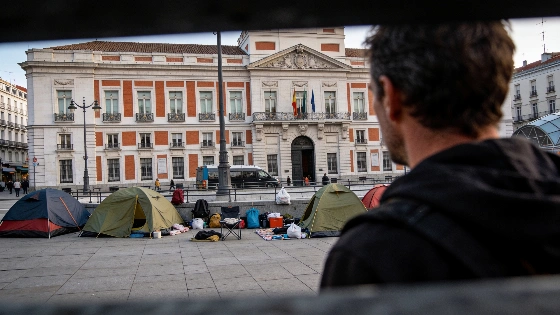
Madrid wants a court to order the immediate removal of the Puerta del Sol camp. The case sets the regional government's demand against the protesters' constitutional right to peaceful assembly.
Madrid's Administrative Court No. 14 will make the first decision in the case. The Community of Madrid has asked the court to order the immediate removal of the Puerta del Sol camp, bringing the Delegación del Gobierno before the administrative courts over what it calls inaction.
The judge must decide whether the protest remains protected by the Constitution and whether other rights justify clearing the square.
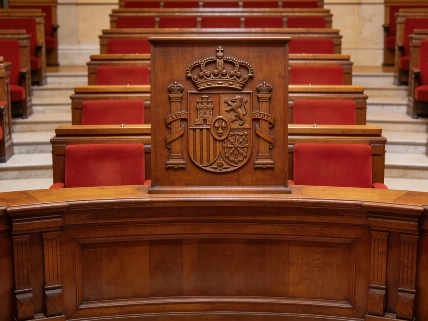
Isabel Díaz Ayuso announced the legal move in the Assembly of Madrid. She argued that the occupation should never have been allowed. Her government calls the gathering illegal and is seeking medidas cautelarísimas, an exceptional request for an immediate ruling before the case is fully resolved.
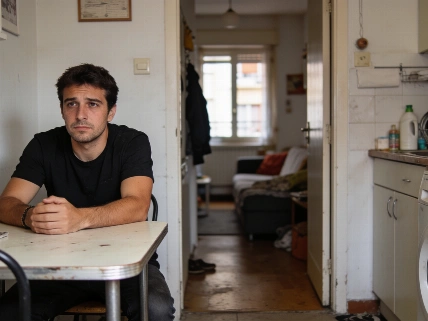
The camp is linked to housing-rights protests and the eviction case involving Maricarmen, identified in reports as the trigger for the camp's establishment and later escalation.
If the judge grants the request, the camp would be removed from Puerta del Sol. The court would not carry out the operation itself. Responsibility would return to the Delegación del Gobierno, which would have to organise the steps needed to clear the square.
This division of responsibility sits basic to the case. Madrid says the state administration has failed to act. The Delegación says it is following the law and protecting the right of assembly.
Francisco Martín has said his office will follow the legal structure strictly and respect the constitutional right of assembly. Statements from the Delegación del Gobierno say police have no order to dismantle the camp while the gathering remains peaceful.
Before filing the case, regional and municipal authorities gave the central administration 48 hours to dismantle the camp and threatened court action, along with possible criminal proceedings, if their demand was not met, El Confidencial reported.
The legal question is more complicated than the political accusation. The Delegación has not ignored the camp; it has taken a position that allows the gathering to continue.
That position makes Madrid's argument harder to prove. The regional government must establish administrative inaction, not a deliberate decision to protect a fundamental right.
The court must weigh the right of assembly against possible harm to others. Freedom of movement in the square is one concern. Assembly is not absolute, but limiting it requires evidence of a conflicting right and strong grounds for an immediate measure.
The protesters have one fact in their favour: no fights or assaults have been recorded in the camp since last Saturday. The central administration has called the demonstration peaceful. Security forces, it says, are focused on maintaining public order.
The dispute reflects the same pressure point described in an earlier report. Madrid wants a fast judicial route to removal. The state administration sees no grounds for intervention without a sufficient legal basis. The new filing moves that conflict from public statements into a courtroom.
For now, the emergency request appears difficult to sustain. The case record contains no serious disturbances, and the Delegación has taken a clear position on assembly rights.
The judge must decide whether the camp creates a proven conflict with other rights or whether removal would be excessive. The ruling will test the legal threshold for clearing a public space.
The ruling will show whether Ayuso's pressure leads to an immediate operation or remains a political demand without direct effect.