The Festival de las Ideas y la Cultura in Rivas-Vaciamadrid will proceed as planned. A Madrid tribunal dismissed the PP's appeal against the event's contract, citing late submission. The automatic suspension is now revoked.
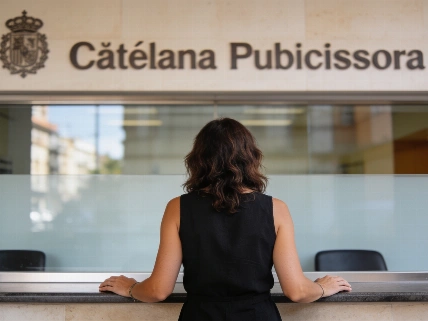
The Festival de las Ideas y la Cultura, organized by elDiario.es in Rivas-Vaciamadrid, will go ahead this weekend after a Madrid tribunal dismissed a legal challenge from the Partido Popular. The Tribunal Administrativo de Contratación Pública de la Comunidad de Madrid ruled that the appeal, filed by Janette Novo, PP spokesperson in the local council, was submitted after the legal deadline. This decision immediately lifted the automatic suspension that had put the festival's future in doubt just two days before its scheduled start.
The dispute centered on the contract between the Rivas-Vaciamadrid city council and the publishing company behind elDiario.es, which was responsible for organizing the event. According to the tribunal's resolution, the contract details were published on May 27, 2026, but the PP's appeal was not registered until June 22, well after the period allowed for contesting the award. As a result, the tribunal rejected the challenge against the contract's terms, its awarding, and its formalization.
The initial suspension, imposed earlier in the week, had triggered political debate and uncertainty over whether the festival could proceed. The PP's appeal called for a halt to preparations and a temporary freeze on the contract while the case was reviewed. However, the city council maintained from the outset that the procurement process followed all legal requirements and argued that the appeal was both late and filed by someone without sufficient standing. Officials also warned that maintaining the suspension would cause significant disruption, given the event's imminent start and existing commitments with participants and suppliers.
Following the tribunal's decision, the Rivas-Vaciamadrid municipal government expressed satisfaction, with Mayor Aída Castillejo publicly criticizing the PP for using administrative procedures for political purposes. She emphasized that the festival, co-organized with Ágora Rivas, would take place as planned, framing the outcome as a win for culture and freedom of expression. The Partido Popular, for its part, insisted that its actions were aimed at ensuring legal oversight of the contracting process and maintained that a different procedure should have been used for awarding the contract.
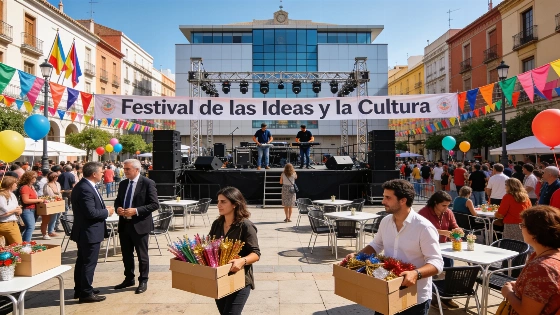
The Festival de las Ideas y la Cultura, now in its fifth year, is scheduled for June 26 and 27 across several venues in Rivas-Vaciamadrid. The event is free and open to the public, featuring a mix of concerts, debates, interviews, theater, journalism, comedy, gastronomy, and live podcast recordings. Notable participants this year include Jordi Évole, Silvia Intxaurrondo, Marc Giró, Inés Hernand, Marta Flich, Bob Pop, Alberto San Juan, Ariel Rot, La Bien Querida, Hinds, and Arde Bogotá.
Legal challenges to public event contracts are not uncommon in Spain, especially when political tensions are involved. The Tribunal Administrativo de Contratación Pública acts as an independent body to resolve such disputes, ensuring transparency and adherence to procurement laws. Rivas-Vaciamadrid, located in the Madrid region, has a history of hosting cultural events that attract national attention. The outcome of this case underscores the importance of procedural deadlines in administrative appeals and highlights the intersection of politics and public cultural programming in Spain.