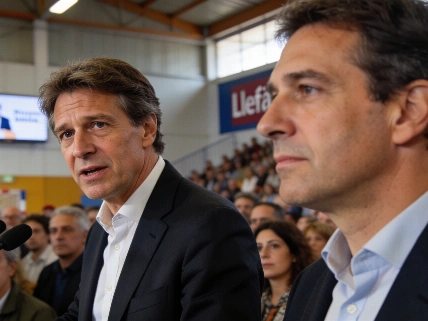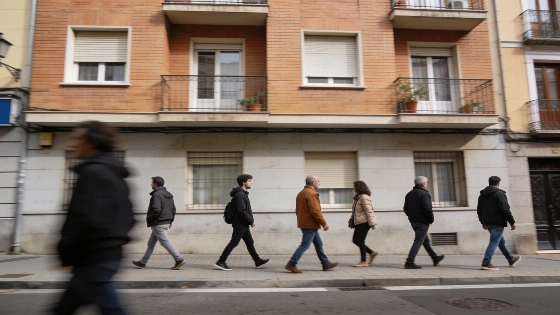
Police charges in Madrid drew criticism from unions and some government partners, who called for Interior Minister Fernando Grande-Marlaska to resign. Sumar, the Socialist government’s junior coalition partner, described the police response as excessive and disproportionate. Grande-Marlaska promised an investigation into the police action. Reuters reported that 115 people were arrested, primarily after evening clashes in Madrid and Barcelona.
The confrontation followed Spain's first nationwide 24-hour general strike since 2012, held on 11 November 2026. The UGT and CCOO called the stoppage amid public anger over access to housing and rising rents. Evictions and the high cost of living added to that anger. It took place shortly before the snap general election scheduled for 29 November. The strike combined workplace action with demonstrations by renters and housing activists, backed by tenants’ associations.
Union accounts and the employers' estimate diverged sharply. CC.OO. and UGT described participation as a success, reporting turnout above 90% in the food and automotive industries. Participation at ports also topped 90%. They put participation at 85% in rail transport and communications. Reuters reported that unions claimed more than 3 million people took part nationally, while CEOE president Antonio Garamendi said the average was 5% and businesses had operated normally. These figures refer to different measures: unions reported worker participation, while Garamendi gave an overall average. Authorities estimated that about 120,000 people joined the march through central Madrid. AFP reported strong mobilization in car manufacturing and petrochemicals. It also reported activity in meat-processing, while UGT acknowledged participation was uneven.
The housing dispute gained force from the case of Maricarmen Abascal, an 87-year-old Madrid pensioner whose eviction in September was followed by her death in hospital. Unions and tenants’ groups cited her case as a symbol of the housing crisis. Valeria Racu, spokesperson for the Sindicato de Inquilinas, identified the strike as part of a campaign against treating housing as a business. Comisiones Obreras secretary general Unai Sordo said housing had become a central demand in the social contract Spain needed.
On 12 November, the day after the strike, Spain’s caretaker lower house approved one of two housing decrees in the Diputación Permanente. The adopted text extends eviction protections until 2030 for tenants classified by social services as financially or socially vulnerable when regional authorities cannot provide alternative accommodation. It also restricts rent increases above the government’s neighborhood reference price. Some tenants whose leases expire before 31 December 2028 may request an extraordinary extension of up to two years if they are up to date on rent. The package passed by a one-vote margin; a separate decree proposing indefinite extensions of rental contracts was rejected. The measures were approved ahead of the election, and their future may depend on its outcome.
CEOE also criticised the effect of the strike on Spain's image among tourists and investors. Clashes took place in Madrid and Barcelona after the main demonstrations. The competing turnout figures remain distinct claims: the unions cited sector-level participation, while Garamendi gave an overall average. RUSSPAIN.com has separately covered a kidnapping investigation.