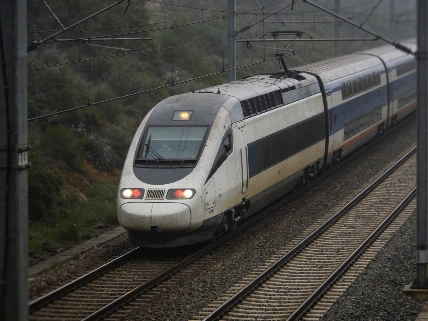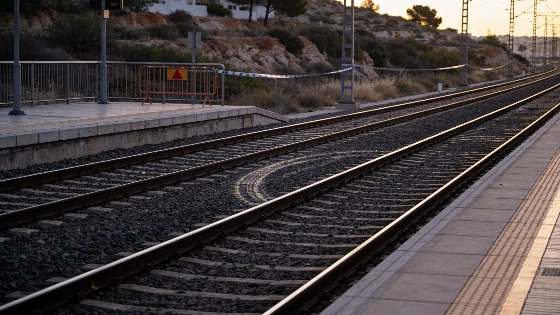
Rail traffic on Málaga’s Cercanías C1 line was disrupted early Friday, 14 August 2026, after a train fatally struck a 53-year-old man near the Guadalhorce stop. The collision occurred at about 07:30 between Guadalhorce and Los Prados, at a location not designated for pedestrian passage. Police and medical teams, including Policía Nacional and Policía Local, responded after Adif reported the incident to Emergencias 112 Andalucía.
The death disrupted the C1 commuter corridor and caused delays for several hours as authorities managed the scene and began their investigation. Adif identified the incident as a person being struck at an unauthorized crossing. The circumstances surrounding the man’s entry onto the tracks remain part of the investigation.
The distinction between an authorized crossing and an informal access point matters under Spain’s railway rules. The Reglamento de Circulación Ferroviaria, approved by Real Decreto 664/2015, defines a level crossing as an intersection between railway infrastructure and a road or path where rail traffic has priority. That definition does not make an unauthorized pedestrian route an official crossing; the fatal collision was reported at an access point not designated for pedestrians.
Adif’s wider work on crossing infrastructure is also evident elsewhere in Málaga province. In October 2026, the railway infrastructure manager began procedures with the Ayuntamiento de Ronda to eliminate the Guadalcobacín level crossing. The planned €921,000 project includes demolishing the existing structure and building a replacement passage for pedestrians and vehicles. The work is separate from the Guadalhorce collision, but illustrates a regional effort to remove or upgrade crossing points.
Unauthorized track access remains a serious railway-safety risk, particularly on commuter routes serving busy urban areas. Road-safety figures should not be treated as a measure of railway trespass: Spain’s 2025 totals of 1,775 road deaths and 9,888 serious injuries, reported from Dirección General de Tráfico data, concern road traffic incidents rather than collisions on railway tracks. Recent developments in Spain’s transport sector, including a surge in passenger numbers at major hubs, have also drawn attention to transport safety and infrastructure management. For example, the recent record passenger traffic at Barcelona-El Prat Airport has drawn attention to the challenges of managing growing demand and ensuring public safety.
Spain’s Cercanías services are a critical link for daily commuters in urban areas such as Málaga. Adif, the state-owned railway infrastructure manager, is responsible for managing the rail infrastructure and coordinating its response to incidents. The fatality near Guadalhorce station shows the danger of crossing tracks outside designated routes and the need to use authorized crossings.