During a visit to Zaidín, María Jesús Montero highlighted the central government's quick disaster response after August's earthquakes and criticized the Junta de Andalucía for delays and unclear aid commitments.
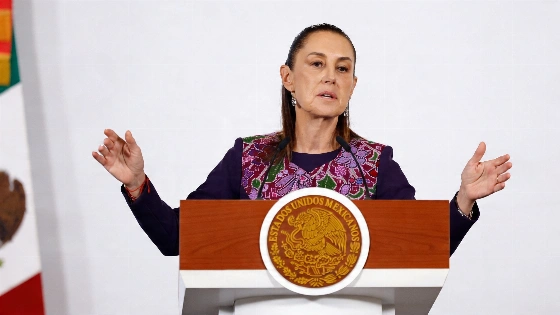
In Zaidín, one of the Granada neighborhoods hardest hit by last August’s earthquakes, María Jesús Montero made her position clear. The PSOE-A leader contrasted the central government’s quick intervention with what she called the Junta de Andalucía’s slow response under Moreno Bonilla.
Montero’s visit was more than symbolic. She announced that, after the government declared the area a disaster zone, residents could start applying for compensation at the Subdelegación del Gobierno as soon as the next day. She explained that while documentation would be needed, the evaluation process would move quickly for those seeking relief. After the Council of Ministers declared the area a "zona gravemente afectada" on September 15, 2026, residents without insurance became eligible for state compensation through Protección Civil. This support covers personal losses, housing, and municipal expenses.
The University of Granada independently assessed its earthquake-related damages at 6.8 million euros and submitted a claim to the insurance consortium, highlighting that not only residential buildings but also major public infrastructure suffered significant losses.
Local councils are also facing major costs. Montero pointed out that municipalities affected by the earthquakes can now request reimbursement from the Spanish government for up to half the cost of infrastructure damage. She argued that this direct support stands in contrast to the regional administration’s approach. According to the Ministry of Economy, insurance claims related to the earthquakes reached about 49,000–50,000, with settlements already exceeding 100 million euros. The scale of the disaster has put pressure on compensation systems.
Montero did not hold back in her criticism of the Junta. She accused the regional government of reacting late and questioned the real value of the 46 million euros in aid it announced. According to her, much of that money was already set aside for ongoing rehabilitation projects, not new emergency funding. “In politics, transparency matters,” she said, warning against what she called “sirens’ songs” that mislead people about the true level of support. The Junta de Andalucía, for its part, announced a 46.2 million euro aid package for Granada and affected towns, with funds divided among housing (15.5 million euros), municipal infrastructure (7 million), healthcare (over 10 million), education (1 million), social facilities (330,000), and judicial infrastructure (160,000). About 4 million euros were specifically allocated for work and inspections at the Alhambra, according to regional officials.
Despite the political tension, Montero called for cooperation between the Ayuntamiento, Junta de Andalucía, and the central government to reduce the hardship faced by residents. She also stressed the need for long-term planning, mentioning plans to introduce earthquake preparedness training in local schools—a routine practice in countries with frequent seismic activity.
Municipalities in Granada have already calculated their direct losses and requested over 27.6 million euros from the central government, with the city of Granada itself accounting for about 17.15 million euros of that total. The regional civil protection system was downgraded from emergency status on September 15, indicating reduced immediate risk but ongoing recovery efforts.
Later that day, Montero continued her campaign in support of the central government, highlighting new investments in Andalusia. On her X profile, she pointed to the Council of Ministers’ approval of 1.267 billion euros for upgrades at airports in Málaga-Costa del Sol, Sevilla, Jerez, Almería, Granada-Jaén, Córdoba, and the Algeciras heliport. “Improving our air connections is essential for Andalusia’s growth, attracting investment and creating jobs,” she wrote, presenting these moves as evidence of the government’s ongoing commitment to the region.
Montero’s appearance in Zaidín was not only about disaster relief. By emphasizing the central government’s quick response and questioning the regional administration’s transparency, she positioned herself as both an advocate for affected residents and a vocal opposition leader. In a climate where public trust depends on visible action and clear communication, Montero’s approach signals a sharper contest over credibility in Andalusia’s recovery efforts.