Mario Vaquerizo’s Childhood: How Freedom in the Family Shaped His Life. Mario Vaquerizo recalls how his parents allowed him to be himself while growing up in a working-class neighborhood of Madrid. His childhood passions and family support became the foundation for his future media career.
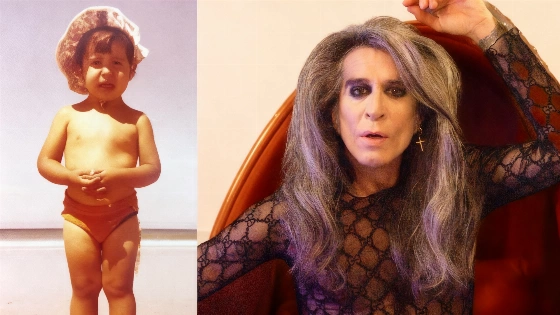
Mario Vaquerizo is once again in the spotlight after candidly sharing memories of his childhood in the Madrid district of Vicálvaro. It was here, in a working-class environment without excess luxury, that the future artist first felt he could be himself—even if his interests differed from those expected by others. As Divinity notes, Vaquerizo has often emphasized that the freedom his parents gave him was the greatest gift of his youth.
The freedom to be different
In the mid-1970s, the Vaquerizo family lived in Vicálvaro, where simplicity and respect prevailed. Mario's parents, Ángel and Ángeles, chose from the start a path of trust and acceptance for their children. There was no place for reproach or attempts to force their son into traditional male roles at home. While other boys played football outside, Mario would eagerly leaf through fashion magazines, listen in on family women's conversations, and idolize cinema and music divas. He makes no secret that from an early age, he was drawn more to what was then considered "girly,"—and this is precisely what allowed him to grow up unafraid of being ridiculed.
Family support and loss
Family has always held a special place in Mario's life. He grew up with his brother Ángel and sister Marta, feeling like the 'king of the house' thanks to the unconditional love of his parents and relatives. His older brother Ángel was not only a role model for him but also his protector — Ángel's passing in 2004 was a heavy blow for Mario, one that still echoes in his memories of childhood. In interviews, the artist has repeatedly emphasized: it was his brother who helped him feel confident, despite being different from other boys.
A childhood without luxury or stereotypes
Vakirizo does not hide that his childhood was devoid of excess: a regular apartment, a public school, playing in the courtyard, and no ostentatious luxury. According to him, it was this experience that taught him to appreciate simple things and not to chase after the trappings of success. Despite his current extravagant image, as a child, Mario was a disciplined and diligent student, showed an interest in culture, and always stood out among his peers for his inquisitiveness.
The path to publicity
Mario’s childhood memories are more than just nostalgia—they are a vital part of his public persona. He has repeatedly said that the support of his parents and the absence of pressure allowed him to embrace his individuality with ease. His interest in feminine aesthetics, makeup, and fashion emerged at an early age, laying the foundation for his future show business career. Later, Vakirizo graduated from the Faculty of Journalism at Complutense University, worked for music companies and agencies, and rose to fame with Las Nancys Rubias and through his partnership with Alaska. Yet he always emphasizes that his connection to his home neighborhood and family values remains essential to him.
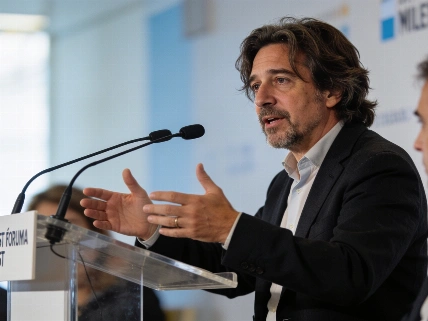
Stories of how childhood passions and family environment shape future stars have often been discussed in the Spanish media. For example, the recent account by Borja Semper drew attention as he described how Madrid changed his views and habits— the details of this episode were discussed in the RUSSPAIN chronicle.
Context and significance
Today, Mario Vakirizo continues to speak openly about his past, stressing that it was precisely the atmosphere of freedom and acceptance at home that let him never hide his individuality. His story is not only about his personal journey, but also about how the support of loved ones can change a destiny. According to Divinity, the artist still believes the most important thing in life is not to be afraid to be yourself, even when it doesn’t fit the usual expectations.