Valencia teachers continue strike: talks with authorities again at an impasse. Teacher protests intensify in Valencia as negotiations with the Conselleria de Educación once again reach a deadlock. All unions back the strike. Authorities propose a pay raise, but the terms do not satisfy educators.
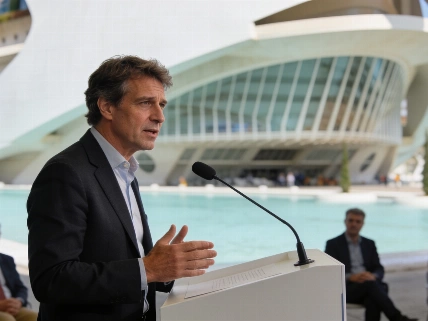
A large-scale teachers' protest took place again in central Valencia on Monday: all unions supported the continuation of an indefinite strike after another failed round of negotiations with the Conselleria de Educación. The regional authorities proposed a new salary increase scheme, but the unions found it insufficient and refused the terms.
Negotiations between representatives of educators and the Conselleria de Educación, headed by Carmen Ortí, ended without an agreement. The key issue is the amount and structure of the salary increase. The authorities proposed to raise salaries by 120 euros per month, but the unions insist that this is not enough to restore purchasing power. According to their calculations, the amount should be three times higher to have a real impact, and indexation to inflation must be mandatory.
During the discussions, the Conselleria also presented a number of changes in other areas: the creation of 150 new inclusive classrooms (UECO) is planned over the course of the legislative term, and staff working with children with special educational needs are to be transferred under the authority of the education department to speed up the filling of vacancies. However, specific figures for the new positions of speech and language therapy specialists were not provided.
In terms of language policy, the Conselleria again proposed focusing on certification of proficiency in Valencian and developing the certification system, rather than increasing its role in the curriculum. New initiatives include the possibility of recognizing Valencian courses from external organizations, though details of the mechanism have not yet been disclosed.
On infrastructure issues, the authorities promise to launch a new line of subsidies for municipalities to modernize schools and special education centers. They have also announced their intention to continue the Edificant program, but with a focus on more transparent and timely completion of works.
The unions are demanding not only higher salaries, but also an increase in the number of teaching staff, as was stipulated by the previous 'Orden de Plantillas.' The authorities have limited themselves to promising to review this document and optimize the substitute teacher system, especially for those working with special needs children or teaching senior classes.
To reduce administrative burdens, the Conselleria has proposed a pilot project for early teacher substitution in primary schools: each institution will have an additional teacher assigned to provide coverage from September 15 to June 15. If there are no sick leaves, this specialist can assist with other tasks. If there is more than one vacancy, the school will be responsible for redistributing the workload internally.
For the first time, the new plan includes a phased calendar to reduce the number of students per class: by the 2027–2028 academic year, the capacity of kindergartens is expected to be reduced to 22 children, and in primary schools — to a level set by the Ministry of Education. For secondary school and bachillerato, the timeline for reduction is set for 2028–2030.
According to calculations by the Conselleria, after the salary increase, a new teacher will receive €36,436 per year, and a teacher without bonuses will get €40,360. However, unions emphasize that these proposals still do not meet their demands, and negotiations are ongoing.
Context: In Spain, issues of teachers' salaries and working conditions have traditionally sparked heated debates. The Valencian Community has one of the largest networks of public schools, and teachers’ pay directly impacts the quality of education and the stability of the academic process. As of 2026, the average teacher's salary in the region remains lower than in several other autonomous communities, despite efforts by authorities to catch up with the leading regions in this regard.