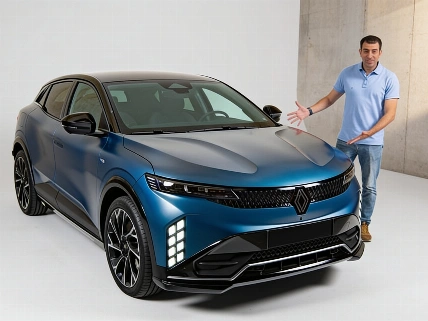
Ángel Gaitán, a well-known Spanish mechanic, says the rise of low-cost Chinese cars could change the European market. He believes these vehicles are built for short-term use, making reliable cars harder to find and more expensive.
Ángel Gaitán, one of Spain’s most recognized mechanics, thinks owning a truly reliable car may soon be out of reach for most people. In a recent video, he spoke bluntly about the wave of new Chinese car brands entering Europe, saying they could leave both traditional businesses and many drivers behind.
Gaitán’s concerns come from what he sees in his workshop every day. “The new Chinese vehicle brands are going to end the business for a lot of people, because these are cars made to be used and thrown away,” he says. He compares the trend to buying a smartphone: “You know it will last two, three, four, maybe five years at best, and then you have to replace it.”
According to UBS estimates, Chinese automakers already hold about 8% of the European market and could reach 20% by 2030.
— UBS
He points out that Chinese cars are now everywhere, with brands like Omoda, Jaecoo, BYD, and Geely filling TV ads, while European brands have faded from view. Gaitán says this shift isn’t just about manufacturers; he also blames European consumers and industry leaders for not keeping up.
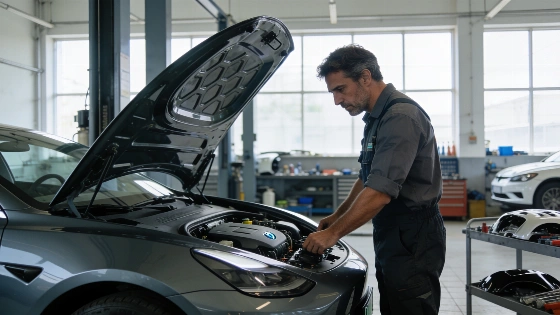
Price is the main draw. Chinese cars cost much less than European models, which appeals to buyers watching their budgets. But Gaitán warns that the low price hides a bigger problem: when something breaks, manufacturers often replace entire sections—sometimes the whole front end, wheels included—instead of fixing just the broken part. “There’s no longer enough skilled personnel to work on these cars in detail,” he says.
This way of doing repairs is changing the business. Workshops that used to fix all kinds of cars now mostly swap out big modules, which means fewer skilled jobs and less hands-on work than before.
In June, Chinese brands captured 34% of the European plug-in hybrid (PHEV) market, with BYD and Chery leading the segment. The European Commission has responded to the rapid growth of Chinese electric vehicles by imposing countervailing duties of up to 35.3% on certain brands, in addition to the standard 10% import tariff.
— European Commission
Gaitán’s outlook is clear: “We’re heading to a point where those who can afford a truly good car will be very privileged. The rest will have to rely on app-based rentals or public transport, unwilling to commit to a product that could fail unpredictably.”
His worries reflect a bigger debate about the future of car ownership in Europe. As a recent report notes, transparency and reliability are already major concerns for used car buyers in Spain, and the rise of disposable vehicles could make things worse.
Gaitán’s warning isn’t just for mechanics or car dealers. He wants consumers to see where the market is going. Cheaper, less durable cars might save money now, but they could mean the end of the long-lasting vehicles that once defined European roads. As Chinese brands keep growing, the idea of what makes a “good” car in Europe is changing fast. For now, those driving a durable, repairable car may find themselves in a shrinking minority.