Nearly one in three Spaniards has encountered fraud when buying a used car. While price still drives the market, lack of reliable vehicle history and missing information are pushing buyers to demand more transparency.
About a third of people in Spain have been scammed when buying a used car. The lure of a good deal often fades once buyers realize how little they know about a car's past. Carfax recently surveyed 1,000 Spanish consumers and found that unreliable information is now one of the biggest worries for anyone shopping for a secondhand vehicle.
Price is still the first thing most buyers look at, but it's no longer enough. As new car prices climb, more people turn to the used market, but they are also more cautious. A quick look and a test drive don't cut it anymore. Buyers want details: accident history, number of previous owners, where the car came from, and anything else that might affect its value or safety.
CARFAX data for January–July 2026 shows that 56% of checked used cars in Spain had hidden risks, with 39% having been in accidents or damaged, 13% previously used as rentals, and 10% imported.
Transparency has become a way to protect yourself. Carfax reports that two out of three buyers now try to gather as much information as possible before making a decision. It's easy to see why: ads often leave out important facts, and missing details can end up costing a lot. Two cars might look the same, but one could have a hidden accident record or legal trouble that turns a bargain into a headache.
The rise of hybrids and electric cars is changing the market, too. More than half of those surveyed—54%—say they would prefer a hybrid or electric car next time. This brings new questions for used car buyers, like battery condition and how different types of engines work. Spain is also updating its charging network, removing thousands of old stations, which makes buying a secondhand electric car even more complicated.
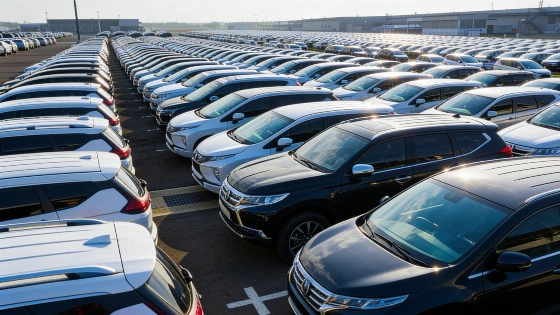
According to official statistics, 1,452,851 used cars were sold in Spain in the first eight months of 2026, marking a 2.8% year-on-year increase. This high turnover means that the scale of potential fraud and hidden risks remains significant for consumers.
Anyone hoping to avoid problems now asks for a full vehicle history report. Mechanical checks and test drives are still important, but they can't reveal everything. The real dangers are the ones you can't see right away—hidden accidents, tampered odometers, or legal issues that haven't been resolved. Carfax warns that these are the things that can turn a cheap car into an expensive mistake.
The used car market in Spain is only getting tougher. Buyers are starting to treat information as seriously as price. Buying without knowing a car's history is becoming rare for anyone who wants to avoid being scammed. Sellers who are open about a car's past are the ones who will earn buyers' trust. In the end, not knowing is never a good deal.