Pedro Sánchez has called Spain's election for 29 November 2026. Joaquín Prat says voters need a clear choice after Congress rejected the government's housing measures.
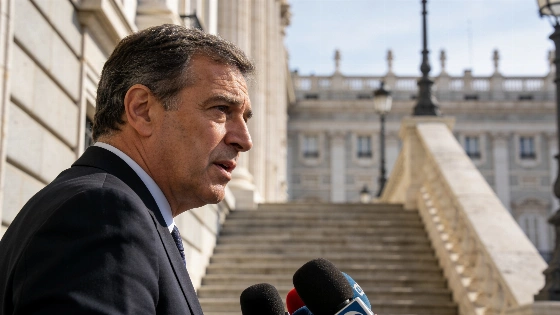
At 9.00 on Monday 5 October, Pedro Sánchez appeared on the steps of La Moncloa and confirmed the dissolution of the Cortes. Spain will vote on Sunday 29 November 2026. The announcement came three days after Congress rejected two housing decree laws.
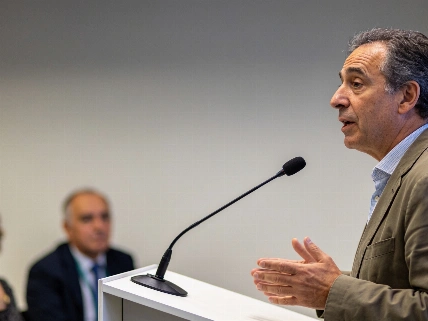
Joaquín Prat called the election a necessary way out of what he described as an unbearable political climate. Speaking on 'El Tiempo Justo', he said citizens should decide at the ballot box which direction Spain should take.
Sánchez also used the announcement to defend his record and attack what he called the "worst opposition in our democratic history". The formal statement soon took on the tone of a campaign speech. Prat made the same point.
La Moncloa said the dissolution followed an extraordinary meeting of the Council of Ministers. The decree is due to appear in the Boletín Oficial del Estado.
The immediate cause was the government's defeat in the Congreso on Friday 2 October. PP, Vox and Junts voted against both housing measures, closing off Sánchez's existing route through parliament.
EFE placed the vote against a wider housing crisis: rents have risen for years, while protests have become more visible.
The government still has a legal option. Once the Cortes is dissolved, the Diputación Permanente remains active between parliamentary sessions. Ministers plan to approve the decrees again and send them to the body.
The commission has 30 days to approve or repeal them. That timetable gives the government a way to keep the measures alive before the election.
The measures failed in the full chamber. They may now face a different vote in a smaller parliamentary forum.
The Diputación Permanente has 68 members. Its reported composition is 27 from PP, 24 from PSOE, six from Vox, six from Sumar, and one each from ERC, Junts, Bildu, PNV and the mixed group. Congress president Francina Armengol is also part of the body.
On one decree, the left-wing side could reach 35 votes, against 34 for PP, Vox and Junts. The figures suggest the government may not need Junts there. The outcome will decide whether the housing plans move forward before Spaniards vote.
The package went beyond rent rules. La Razón reported plans to extend protections against eviction for vulnerable tenants until 2030. The measures also covered some rental contracts, speculative operations by large owners and interest-free loans of up to €50,000 for first-home buyers.
The failed vote mattered beyond Congress. Tenants and landlords, along with people trying to buy their first home, all had a direct interest in the result.
Prat was blunt about the political mood. He called it "unbreathable" and said an election could offer relief by letting citizens choose Spain's future themselves. He opened his morning programme with the same argument.
The dispute now moves from Congress to voters. As an earlier report showed, housing has become a central test for the groups seeking the next parliamentary majority.
El País reported that Sánchez brought the election forward by roughly nine months from the expected end of the parliamentary term. He decided to do so after consulting his cabinet, PSOE leaders and allies.
Public pressure has grown outside parliament, too. EFE and El País reported that protests intensified after the forced eviction of an 87-year-old woman in Madrid. The episode added to the pressure on the government.
The sequence is set: Congress rejected the housing decrees, Sánchez called an early election, and the Diputación Permanente may still review the measures. The basic decision will come on 29 November.
Prat sees the ballot as the clearest outlet after the full Congreso route failed. Spanish voters will now decide what happens next.