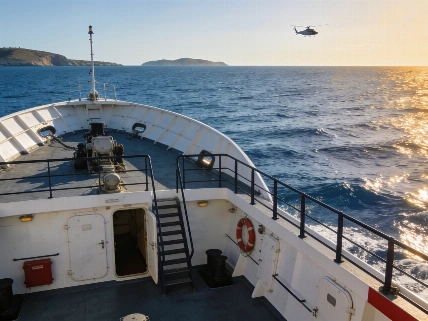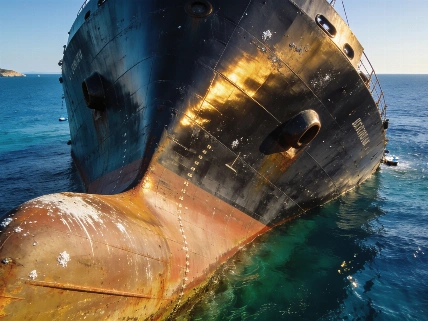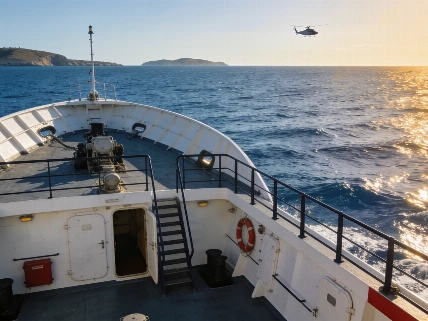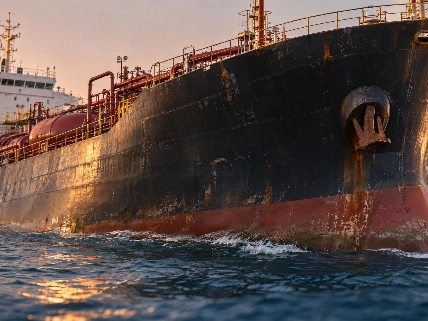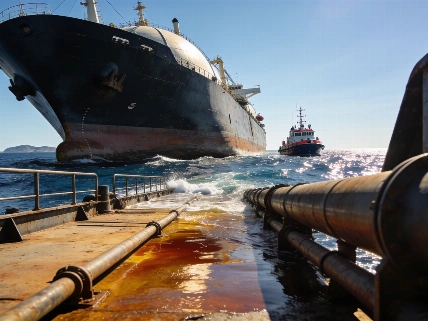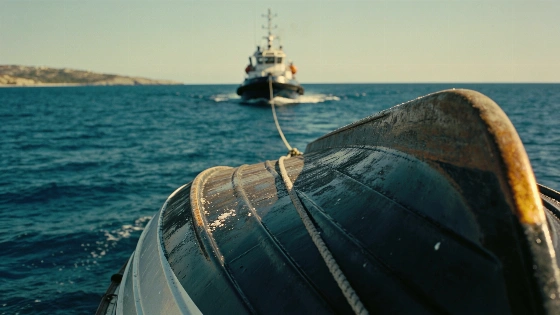
Checks during the tow found no change in the Med Emre’s buoyancy or structural condition, according to sources involved in the operation. The Maltese-flagged tanker was being moved from Ibiza to Cartagena at between one and two knots, a deliberately slow pace for the overturned vessel. The ship capsized off Ibiza on 25 November 2026 while carrying about 7,000 tonnes of diesel; the accident killed its chief engineer, AFP reported. The vessel also carried about 160 tonnes of fuel for its own operations.
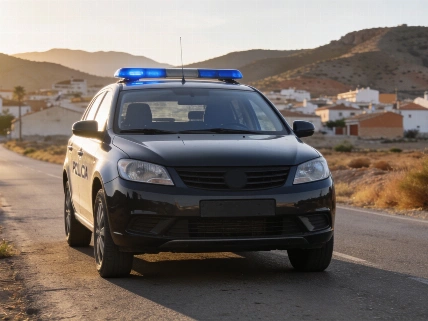
The Dirección General de la Marina Mercante established a maritime exclusion zone with a radius of at least one nautical mile around the tow. The measure was to remain in effect until the vessel was docked and moored in Cartagena, with the restriction communicated through maritime radio notices. Its resolution cited the operation’s complexity and the ship’s inverted position, and set out a plan for the Guardia Civil to escort the vessel to port. The choice of Cartagena as the destination was covered in an earlier report on the tow decision.
The exclusion measure was intended to protect maritime safety and the tow itself. Technical monitoring had recorded no change at any of the points used to assess the vessel’s buoyancy or structure since towing began. Spain’s maritime authority had checked the tanker’s structural integrity and buoyancy before the tow.
On 27 November, the maritime authority ordered the tanker to Cartagena and authorized the port as a place of refuge. Authorities identified Cartagena as the only port with the technical capacity to extract the diesel cargo and repair the damaged vessel. The Escombreras dock was designated as the receiving area; officials determined that the work could not safely be carried out at sea or at an exposed anchorage where weather could disrupt operations.
A stain identified near the site of the sinking had disappeared, and no new stains were detected during the tow. Authorities continued monitoring the overturned tanker as it proceeded toward Cartagena, where cargo extraction and repairs were planned.