The PP-led council in Medina de Rioseco has voted to remove Pablo Iglesias from the street map, restoring its pre-Republican name. The PSOE threatens legal action, calling the move an attack on democratic memory.
The municipal council of Medina de Rioseco (Valladolid) has approved the removal of Pablo Iglesias, founder of PSOE and UGT, from the name of a central street, opting to reinstate its historical designation, Calle de Villarramiel. The decision, passed by the Partido Popular (PP) majority, has triggered a sharp political dispute with the local and provincial PSOE, who argue the move erases a key figure from Spain’s democratic legacy.
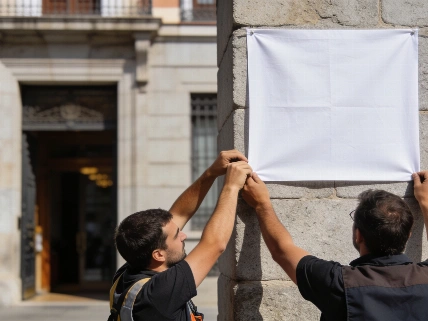
According to the council, the change is intended to “order, clarify and improve the identification of our public roads.” The street, which had carried the name of Pablo Iglesias since the 1980s under a socialist mayor, will now revert to its original name, referencing the nearby village of Villarramiel. The PSOE, holding five of the eleven council seats, has condemned the decision as ideologically motivated and warned of legal action if the suppression is not reversed.
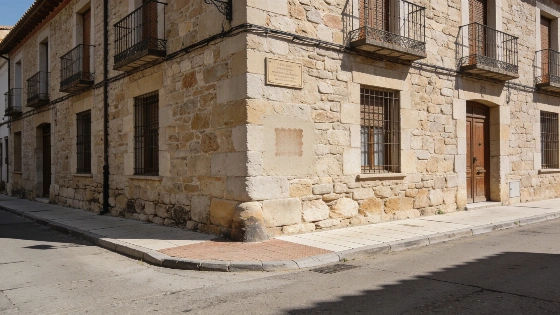
The street’s naming history reflects Spain’s turbulent past. Originally Calle de Villarramiel, it was renamed for Pablo Iglesias during the Second Republic, after his support for local agrarian protests in 1904. Under Franco’s regime, it was dedicated to García Ganges, a local captain aligned with the dictatorship. The socialist administration in the 1980s restored Iglesias’s name, installing a commemorative plaque and relief in his honor.
Socialist representatives, including local spokesperson Sara Galván, have criticized the council for not consulting residents or postal workers, warning of disruption for those affected. The PSOE maintains that the current name is well established in the community and sees the change as an attempt to erase the founder of two major democratic institutions from public space. Patricia Gómez Urbán, deputy secretary of PSOE Valladolid, described the move as “miserable,” arguing it seeks to consign Iglesias’s legacy to oblivion.
Francisco Ferreira, PSOE’s Valladolid organization secretary, has formally urged the mayor, David Esteban (PP), to reconsider, threatening administrative and legal measures if the decision stands. UGT’s Valladolid secretary, Óscar Lobo, also voiced opposition, emphasizing Iglesias’s historical role in organizing the region’s workers.
Medina de Rioseco, with a population of around 4,600, is one of many Spanish towns where street names reflect shifting political tides. The debate over public memory and historical figures remains contentious, especially as local authorities revisit names linked to Spain’s 20th-century conflicts. The controversy highlights ongoing tensions between efforts to preserve historical memory and calls for depoliticizing public spaces. In Spain, the Law of Historical Memory, enacted in 2007, encourages the removal of Francoist symbols but does not mandate the retention of names associated with other political figures, leaving such decisions to local governments. This case illustrates how local politics continue to shape the landscape of Spanish towns, often reigniting national debates over history and identity.