Melilla has launched an innovative energy storage system using repurposed Nissan LEAF batteries. The installation can supply power for 15 minutes during outages, offering crucial stability to the city’s independent grid.
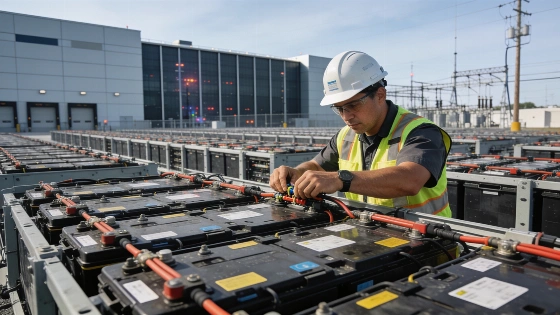
In Melilla, a city where the power grid stands alone, a new energy solution is quietly changing the rules. The Second Life project, led by Enel, Endesa, Nissan, and Loccioni, has transformed 78 electric car batteries—most of them retired from Nissan LEAF vehicles—into a robust backup system at the local thermal power plant. This installation is designed to step in instantly if the main supply fails, providing up to 15 minutes of electricity to the city’s 90,000 residents.
The system delivers 4 MW of power and stores up to 1.7 MWh, according to Endesa. While it cannot replace the main plant or keep the city running for hours, its real value lies in those critical minutes when a sudden outage could disrupt daily life. In Melilla, where the grid is not connected to Spain’s national network, even a brief interruption can affect hospitals, businesses, traffic lights, and essential services.
How the Backup Works
The Second Life installation combines 48 used batteries with 30 new ones, allowing engineers to compare performance and maximize efficiency. The used batteries, no longer suitable for vehicles, still retain enough capacity for stationary storage. By integrating these packs directly into the plant, the project avoids the complex process of dismantling batteries to their cells, making the most of valuable materials and extending their useful life.
When a power failure occurs, the system can inject electricity into Melilla’s grid for up to 15 minutes. This window is often enough to restore the main supply and prevent a total blackout. For a city dependent on a single, isolated network, this margin can be decisive, reducing the risk of abrupt service interruptions and giving operators time to react.
Why Second-Life Batteries Matter
Electric car batteries typically lose performance over time, making them less effective for driving but still viable for stationary applications. In a fixed installation, factors like weight and rapid power delivery are less critical than in a vehicle. This difference allows Melilla to benefit from batteries that would otherwise be discarded, turning a potential waste problem into a practical energy solution.
Endesa highlights that the system is fully integrated into the plant’s operations, enhancing the reliability of supply for the entire city. The approach fits into a broader trend of circular economy initiatives, where products are reused and repurposed before being recycled. Nissan, for example, has been developing similar projects through 4R Energy Corporation in Japan, focusing on reusing, refurbishing, reselling, and recycling lithium-ion batteries for various industrial applications.
Looking Ahead
As electric vehicles become more common, the number of batteries reaching the end of their automotive life will rise sharply. Projects like Melilla’s Second Life offer a glimpse of how these batteries can be given a new purpose, especially in places where energy security is a constant concern. While not a cure-all, the system provides a crucial buffer that can make the difference between a minor disruption and a citywide blackout.
By turning used car batteries into a strategic asset, Melilla is setting an example for other isolated or vulnerable grids. The project demonstrates how innovation and circular thinking can deliver practical benefits, even in challenging conditions.