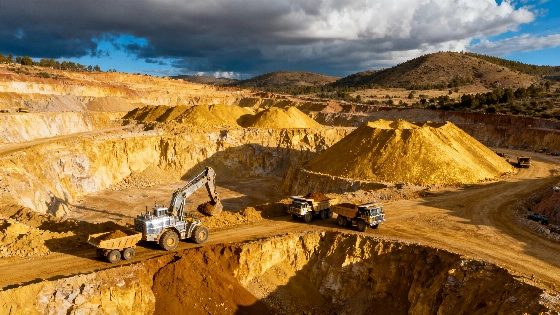
Mexico's Peñasquito mine in Zacatecas now produces nearly a third of the country's gold, drawing comparisons to Dubai's wealth. Yet as foreign corporations control extraction, questions grow over who truly benefits and what the environmental cost will be.
In Zacatecas, northern Mexico, the Peñasquito mine has become the epicenter of a modern gold rush. Since opening in 2010, this vast operation has transformed the region into a powerhouse of gold production, accounting for almost 30% of Mexico's total output. The numbers are striking: in 2022 alone, Peñasquito generated $1.9 billion in revenue and provided over 2,800 direct jobs, according to available data.
But behind these impressive figures lies a complex debate about ownership, profit, and the true impact of this golden boom. Peñasquito is operated by Newmont Corporation, a US-based mining giant that acquired the site in 2019. While the gold is extracted from Mexican soil, much of the wealth flows abroad, fueling concerns about economic sovereignty and the long-term benefits for local communities.
Gold and the Dubai Comparison
Mexico's rich gold reserves have positioned the country as a potential new economic force in Latin America. The comparison to Dubai is not accidental: both places have leveraged natural resources to attract investment and global attention. In Mexico's case, the scale of gold extraction and the billions generated suggest a similar potential for transformation—if the wealth can be harnessed for national development.
Yet the central question remains: how is this newfound wealth distributed? While mining brings jobs and regional growth, the lion's share of profits often ends up in the hands of foreign corporations. This dynamic has sparked debate over whether Mexico is truly benefiting from its resources or simply exporting its riches without reaping the full rewards.
Peñasquito: The Numbers Behind the Boom
Peñasquito stands as the largest and most productive gold mine in Mexico. Since its launch, it has consistently delivered nearly a third of the country's gold, alongside significant quantities of silver and other minerals. The mine's projected lifespan extends at least another 20 years, promising continued extraction and economic activity for decades to come.
Key facts about Peñasquito include:
- Location: Zacatecas, Mexico
- Operator: Newmont Corporation (since 2019)
- Share of national gold production: ~28.8% in 2022
- Direct employment: Over 2,800 jobs
- 2022 revenue: $1.9 billion
- Other resources: Silver and additional minerals
These figures highlight why Peñasquito is often cited as a model for Mexico's mining sector. However, they also underscore the stakes of the ongoing debate over who ultimately gains from this activity.
Who Benefits from Mexico's Gold?
While Peñasquito has brought jobs and infrastructure to Zacatecas, the broader question is whether Mexico as a whole is capturing enough value from its gold reserves. With Newmont Corporation at the helm, much of the profit is repatriated to the United States. This has fueled calls for stronger regulations, greater local participation, and policies that ensure a fairer share of the wealth remains in Mexico.
Supporters of the mine point to its role in regional development and employment. Critics, however, argue that unless more of the profits are reinvested locally, the gold rush risks leaving behind little more than environmental scars and missed opportunities for sustainable growth.
Economic Sovereignty and Local Impact
The debate over Mexico's gold is ultimately about economic sovereignty—the ability of a nation to control and benefit from its own resources. For Mexico, this means not just extracting gold, but using it to drive lasting development, create durable jobs, and empower local communities.
Achieving this goal will require more than just mining expertise. It demands robust financial and technical capacity, effective regulation, and a commitment to placing local interests at the center of resource management. Without these elements, the promise of a "new Dubai" may remain out of reach.
Beyond Jewelry: Gold's Strategic Role
Gold's value today extends far beyond jewelry. It is a critical component in electronics, high-precision connectors, scientific instruments, and global financial reserves. This makes gold not only an economic asset but a strategic one, with implications for technology, finance, and national power.
Control over gold resources can shape a country's economic trajectory and geopolitical standing. For Mexico, the challenge is to ensure that its gold serves national interests, rather than simply enriching foreign shareholders.
The Environmental Price
Industrial mining comes with significant environmental costs. The extraction process at Peñasquito involves intensive use of chemicals and large-scale removal of rock, which can damage landscapes, water sources, and local biodiversity. While Newmont claims to follow international sustainability standards, social organizations have raised concerns about long-term ecological impacts.
Balancing economic gains with environmental protection remains a central challenge. The true cost of Mexico's gold boom may not be fully understood for years to come.
What to Watch
For those following Mexico's gold story, several key issues stand out:
- Who controls the mines and profits: Peñasquito is run by Newmont Corporation, based in Colorado.
- How much wealth stays in Mexico: Nearly a third of national gold production comes from one foreign-operated mine.
- The environmental impact: Industrial mining brings risks to water, land, and biodiversity.
- The role of local communities: Ensuring that those living near the mines benefit directly is crucial for sustainable development.
Mexico's gold reserves and mining capacity are undeniable. Whether this translates into broad-based prosperity will depend on how the country manages its resources, regulates foreign involvement, and addresses the environmental and social costs of extraction.
As Peñasquito looks set to operate for at least another two decades, the choices made now will shape not only the future of Zacatecas, but Mexico's place in the global economy.