Mixtur runs from 15 to 25 October across 11 Barcelona venues. Its 15th edition includes 24 concerts, sound installations and family events, with most performances free.
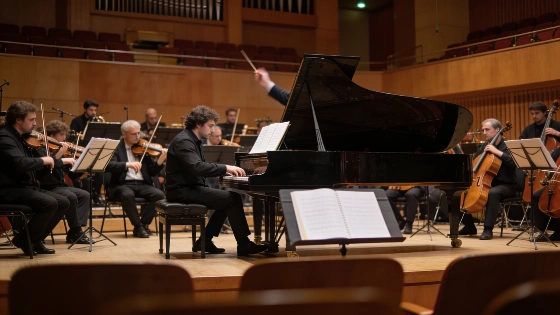
At L’Auditori, the Orquesta Sinfònica de la ESMUC will open Mixtur on Thursday 15 October at 19.30.
Conducted by Ernest Martínez Izquierdo, the orchestra will perform works by Igor Stravinsky and Beat Furrer with pianist Ana Ostojic. The programme will then present the premiere of Obertura by Joan Magrané.
Founded in 2012, Mixtur is devoted to contemporary and electroacoustic music, sound art and interdisciplinary projects, combining concerts with premieres, installations, lectures, educational programmes and workshops.
The opening night also links two anniversaries: fifteen years of Mixtur and the 25th anniversary of the ESMUC.
Mixtur’s 15th edition will run from 15 to 25 October. It brings 24 concerts to 11 venues across Barcelona, with sound installations and family activities folded into the programme.
That structure makes the festival’s position clear. New music will move through different spaces and formats rather than staying inside a conventional concert hall.
Rei Nakamura will examine the piano through multimedia resources. Electronics and video will shape the presentation. The flute quartet Neuma will present Daughters as a musical and stage work.
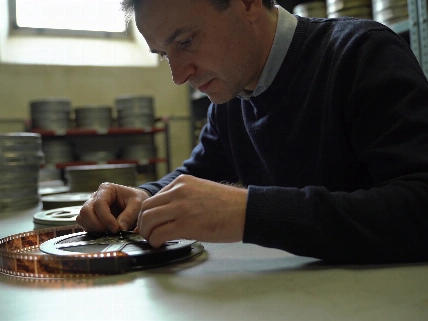
Vertixe Sonora will connect music with cinema through fragments of VAMPIRES by Núria Giménez-Comas. The performance will use projections from the serial film Les Vampires.
Fabra i Coats: Fàbrica de Creació will host the Ulysses Ensemble on 17 October, at the end of its European tour. The group will arrive after appearances in Milan and Paris.
Directed by Nacho de Paz, the ensemble will perform new works commissioned by the festival from Carolina Cerezo Dávila and Alex Vaughan. The wider programme also includes Rei Nakamura and Claude Delangle. Carlota Cáceres, Neuma, Trio Abstrakt and Vertixe Sonora are also listed.
Mixtur’s work in 2026 also extends into primary education. In the Mixtur a Primària project, pupils at Escola Institut Tramuntana in Barcelona created a collective musical work through the analysis of compositional language. One of Mixtur’s founders, Oriol Saladrigues i Brunet, continued in the festival’s artistic leadership alongside Rappoport.
Between 15 and 18 October, Fabra i Coats will present sound installations by Jani Ruscica, Enric Socias and Luz González. Their projects address the body and interaction with technology. They also examine disappearance and persistence.
The same venue will host Jaume Padrós i les alquímies del so, an exhibition dedicated to the Catalan composer on the centenary of his birth.
Mixtur will also put its creative process on display. Four workshops will focus on composition and performance. Improvisation will form part of the work shared with the public through concerts.
Nine free-entry conferences will feature composers including Sarah Nemtsov and Luca Francesconi. Beat Furrer and Isabel Mundry are also scheduled. Two round tables will examine contemporary music in Spain and the challenges of creating music in Europe.
The festival’s cultural focus differs sharply from the industrial questions raised in an earlier Martorell report. Here, access is the practical offer: most concerts are free, and audiences can approach contemporary music through more than one format.
Families will be included through Museu dels quadres sonors by Cia. La Curiosa. The project combines a performance with a workshop. Ptitécouti by HANATSUmiroir offers a sound experience for babies and children up to three years old.
L’Auditori and Fabra i Coats: Fàbrica de Creació are among the Barcelona spaces involved. The programme also reaches the Museu de la Música, the ESMUC and Santa Mònica.
Most events are free. Independent search results did not provide a separate official page confirming the full 2026 programme, its total number of concerts or every listed participant. Those details remain based on the programme information presented here.