After thousands crossed into Ceuta, Moroccan families now search for missing relatives online. Social networks that fueled the exodus are flooded with appeals. Authorities face growing pressure as the crisis deepens.
In the aftermath of the mass entry into Ceuta, Moroccan families are now using the same social media platforms that encouraged the border crossing to search for their missing children. Over recent days, Facebook, Instagram, and TikTok have been filled with photos and messages from parents desperate for news after losing contact with sons and daughters who swam or slipped across the border into Spain.
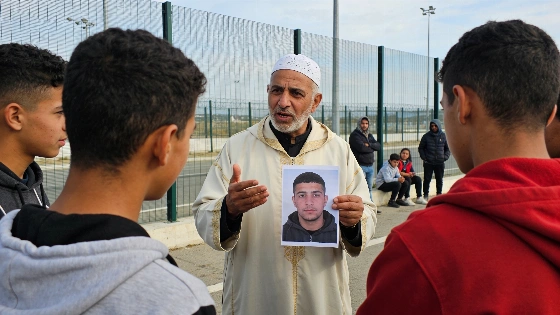
One father from Tetouan, standing at the Castillejos border, showed a photo of his 20-year-old son, missing since Thursday after sending a video from Ceuta. He questioned returning youths and shared his son's image online, explaining that his family had not slept since losing contact. Despite the uncertainty, he said he would rather support his son financially in Spain than see him return home without prospects.
Local networks such as Tetuán Tube have published dozens of images of missing young people, including minors, sent by anxious families. The search has expanded to other platforms, with similar appeals appearing in the Faro de Fnideq. So far, the Moroccan Red Crescent has not taken charge of the search efforts, leaving families to rely on digital channels and word of mouth at the border fence.
At the Castillejos crossing, parents continue to wait for news. A woman from Tetouan, Aisha, said she had received a message from her 12-year-old daughter confirming arrival in Spain, but had no information about her 15-year-old son. Many families remain in limbo, hoping for updates as the situation drags on.
The crisis has also sparked anger over the actions of Moroccan officials. News that Prime Minister Aziz Ajanuch traveled privately to Spain during the height of the migration surge has fueled public frustration. Ajanuch attended ceremonies in Tetouan before flying to Mallorca, returning only after the government issued its first official statement three days into the crisis. He has since announced he will not seek another term as prime minister. Meanwhile, Spanish Prime Minister Pedro Sánchez visited Ceuta on Friday, underlining the political weight of the situation.
Tragedy has also struck. Fatem Ben Samar el Azizi, a 20-year-old footballer from Magreb de Tánger, drowned while attempting to swim from Castillejos to Melilla. The Moroccan Union of Professional Footballers expressed condolences, highlighting the dangers faced by those risking irregular migration in pursuit of a better life.
As the search for missing migrants continues, the crisis has drawn attention from across Europe. The Spanish monarchy has called for decisive action, with King Felipe VI urging unity and strong measures to prevent further incidents. For more on the political response and the scale of the border crisis, see this analysis of the government's reaction: how Spain's leadership is addressing the fallout from the Ceuta events.
Ceuta, a Spanish enclave on the North African coast, has long been a focal point for migration from Morocco. The recent surge, driven in part by viral messages and videos referencing Spanish court rulings on expulsions, has exposed the vulnerability of border controls and the power of digital networks to mobilize large groups. While authorities in Rabat and Madrid have blamed human trafficking networks, the reality on the ground is that families are left searching for answers, often with little support from official channels. The events have also intensified scrutiny of migration policy and the responsibilities of both governments in managing humanitarian risks at the border.