Morocco has formally asked Spain to repatriate both survivors and deceased migrants after the recent mass crossing attempt at Ceuta. The request highlights ongoing disputes over migration management and bilateral cooperation.
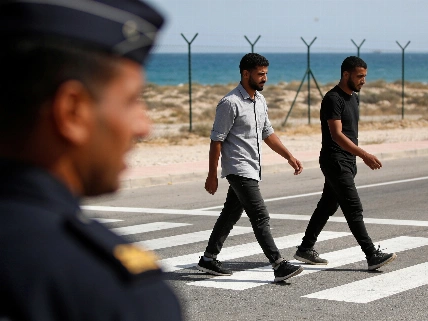
Morocco has called on Spain to return both the survivors and the bodies of those who died during the recent mass attempt to cross into Ceuta at the Tarajal border. The demand, made by Moroccan Justice Minister Abdellatif Ouahbi, comes in the wake of a deadly incident on July 30 that left dozens dead and many more detained or missing. Ouahbi, speaking to Al Arabiya, urged Madrid to sign a bilateral agreement to facilitate the repatriation process and establish clear protocols for handling such cases.
The Moroccan minister emphasized that, so far, Spain has not provided official figures on the number of fatalities. He insisted that unidentified bodies cannot be transferred to Morocco without prior notification and a mutually agreed procedure. Ouahbi also criticized Spanish migration policies, arguing that certain measures taken by Spain encourage young Moroccans to risk the dangerous journey to Ceuta. According to the minister, effective control of migration flows will remain out of reach unless both countries coordinate more closely and address the root causes.
In Ceuta, local authorities buried 18 migrants in the Muslim cemetery on Friday, using only numerical codes to mark the graves. This approach is intended to allow for future exhumation and identification, as forensic teams continue the slow process of confirming the identities of the deceased. The aftermath of the border incident has reignited debate over how Spain and Morocco manage migration and respond to humanitarian crises at their shared frontier.
The situation in Ceuta has drawn international attention, with previous episodes also sparking political disputes and urgent policy responses. For example, a recent political standoff over the handling of migration in Ceuta highlighted the complexity of bilateral relations and the pressure on Spanish authorities to find lasting solutions.
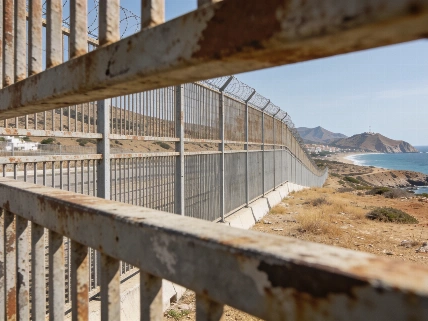
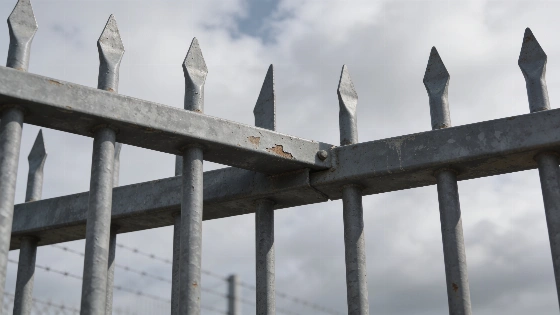
Ceuta, a Spanish enclave on the North African coast, has long been a focal point for migration from Morocco and sub-Saharan Africa. The border at Tarajal is heavily fortified, but repeated attempts to breach it have resulted in tragic outcomes and diplomatic friction. The latest incident underscores the urgent need for coordinated action, transparent communication, and humane treatment of migrants on both sides of the border. As forensic work continues and families await news, the call for a formal agreement between Spain and Morocco remains unresolved, leaving the fate of many migrants and their loved ones in limbo.
Spain and Morocco have a history of cooperation and tension over migration issues. Ceuta and Melilla, Spain’s two enclaves in North Africa, are often at the center of these disputes due to their unique legal status and geographic proximity to Morocco. The European Union has also been involved in supporting border management and humanitarian assistance in the region. The identification and repatriation of deceased migrants is a complex process, often hindered by lack of documentation and the need for cross-border coordination. The current standoff may prompt renewed efforts to establish clearer protocols and improve communication between the two countries, but the humanitarian and political challenges remain significant.