Fatima Ezzahra El Mansouri is Morocco's first woman head of government. She takes office after the PAM-led election win and a year of growing anger among young Moroccans.
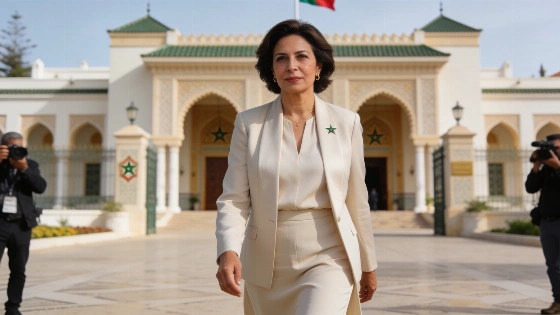
On 29 September 2026, King Mohamed VI appointed Fatima Ezzahra El Mansouri to lead Morocco's next government. The decision came six days after the 23 September parliamentary elections. It also made her the first woman to hold the post.
Her liberal-centrist PAM party must now form the executive for 2026 to 2031. The royal cabinet said the king received El Mansouri at the palace in Rabat on Tuesday and told her of his decision. She called the appointment historic and said it sent a message to Moroccan women. She also credited the monarch for trusting their abilities.
PAM won 97 of the 395 seats in the new parliament, making it the largest force but leaving it 101 seats short of the 198 needed for a majority.
The numbers leave PAM short of power on its own. El Mansouri will need a coalition.
She replaces conservative businessman Aziz Ajanuch. Before the appointment, she served in his coalition government as minister for Housing and Urban Planning. She now moves from one major policy portfolio to the top of the government as young Moroccans show open anger about their prospects.
France 24 reported that coalition talks will be an immediate test. PAM cannot govern on its 97 seats alone.
El Mansouri knows the system from inside. She studied private law at Mohammed V University and continued her education in France and the United States. She then worked as a business lawyer.
At 33, she became mayor of Marrakech. She was the first woman to lead a major Moroccan city. Later, she took on coordination of PAM and the urban planning ministry.
Her record also brings political problems.
In 2023, local media in Marrakech reported the sale of a large family-owned plot. They accused El Mansouri of a possible conflict of interest because she was already a minister. Her work on housing also drew criticism. Social housing projects moved slowly. Critics questioned authorisations in areas at risk of flooding and delays in urban planning schemes.
The appointment was made under Article 47 of Morocco’s Constitution after the 23 September parliamentary vote. The royal court tasked El Mansouri with forming a new cabinet, while she said consultations would begin inside PAM and with all political forces before a proposal is submitted to the king.
Morocco now joins the small group of Arab countries that have had a woman lead the government. Tunisia was the first.
The institutional change comes with a narrow political and economic role for women. Women hold 25% of parliamentary seats. Their labour-force participation remains below 20%.
Those figures set a clear limit.
Religious protocol has also entered the debate. Muslim men and women are traditionally expected to pray separately. That could raise questions at some religious ceremonies involving Mohamed VI and the new head of government. Observers consulted by EFE said the issue would not change El Mansouri's position or official duties.
The pressure from younger citizens is harder to ignore. El Mansouri has defended women's role in decision-making and called young people engines of change.
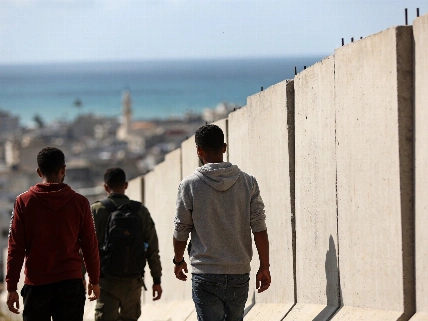
A year ago, a major national protest showed their disillusionment. Two months ago, tens of thousands crossed irregularly into the Spanish city of Ceuta. The movement became another visible sign of concern about their future.
The episode belongs to a different political field from the housing dispute covered in an earlier political case. Both point to public demands for decisions that produce visible results.
Mohamed VI has repeatedly appointed women to roles once reserved for men. Those appointments include royal adviser Zoulija Nasri and Zineb Adaoui, Morocco's first female wali.
El Mansouri's promotion is an institutional advance. It does not erase the country's limits. Her government will be judged by its response to young people and by whether women gain real influence after entering formal positions of power.
The work starts now. As reported by Hespress, El Mansouri said after her appointment that work would begin immediately. Coalition talks and the distribution of ministerial portfolios will be her first practical test.