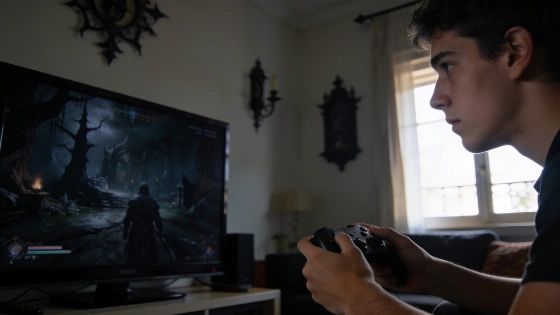
Mortal Shell II introduces a larger world and removes the stamina meter. Players face dense exploration, limited resources, and a darker tone. The sequel stands out for its unique approach to combat and atmosphere.
Mortal Shell II, the latest release from Cold Symmetry, has redefined expectations for the Soulslike genre by introducing a sprawling world, a heavier atmosphere, and significant changes to core gameplay mechanics. According to Kotaku, the game opens with a focus on cult themes, setting a tone that is both unsettling and deeply immersive. This approach signals a clear intent to appeal to fans of dark fantasy and those seeking a more intense experience than its predecessor.
One of the most notable shifts in Mortal Shell II is the removal of the traditional stamina meter, a staple in similar games. This decision allows players to attack, dodge, and run without the usual limitations, fundamentally altering the rhythm of combat. Early encounters may feel easier, but as the game progresses, the emphasis shifts to positioning and timing rather than resource management. This change has sparked debate among players, but for the protagonist’s slower movement style, it proves to be a fitting adaptation.
The game’s world is significantly larger than the original, offering open environments filled with hidden dungeons, new weapons, and character classes known as shells. Each shell provides unique abilities and skill trees, encouraging experimentation with different builds. However, the expanded scope comes with increased resource scarcity. Players often find themselves short on currency and upgrade materials, especially in the midgame, leading to periods of grinding to progress. Despite this, the sense of discovery remains a driving force, with every area promising new challenges and secrets.
Atmosphere is central to Mortal Shell II’s identity. The visual design evokes a sense of constant dread, with environments reminiscent of gothic artwork and a soundtrack that amplifies the game’s metal-inspired aesthetic. The narrative maintains a serious tone, bordering on the theatrical, and the presence of multiple cults adds layers of intrigue. Exploration is rewarded not just with items, but with the satisfaction of uncovering the world’s mysteries, whether facing unusual enemies or navigating brain-teasing dungeons attached to checkpoints.
To accommodate a wider range of players, Cold Symmetry has introduced the Slayer Seal, an early-game item that offers defensive benefits and healing opportunities, effectively serving as an optional “easy mode.” This addition allows newcomers to engage with the game’s demanding combat without sacrificing the core challenge. For those seeking greater difficulty, higher modes are available, including extra content for advanced players.
While Mortal Shell II may be less punishing than some of its genre peers, its combination of dense world-building, flexible character progression, and atmospheric storytelling sets it apart. The game’s focus on experience over linear progression encourages repeated playthroughs, as players seek to uncover every secret and master each shell’s abilities. The scarcity of resources and the need for strategic exploration ensure that the tension remains high throughout.
Mortal Shell II’s release highlights the ongoing evolution of the Soulslike genre, demonstrating how established mechanics can be reimagined to create fresh challenges. The game’s commitment to mood, exploration, and player choice reflects broader trends in action RPGs, where atmosphere and discovery are as important as difficulty. As the genre continues to grow, Mortal Shell II stands as an example of how innovation and tradition can coexist, offering both veterans and newcomers a compelling reason to return to its haunting world.
For context, the Soulslike genre has gained popularity for its challenging combat, intricate world design, and minimal hand-holding. Games like Dark Souls and Blasphemous have set high standards, but Mortal Shell II distinguishes itself through its unique blend of mechanics and tone. The introduction of shells as swappable classes and the removal of stamina management are notable departures. As the market for action RPGs expands, such innovations may influence future titles, shaping player expectations and the direction of the genre.