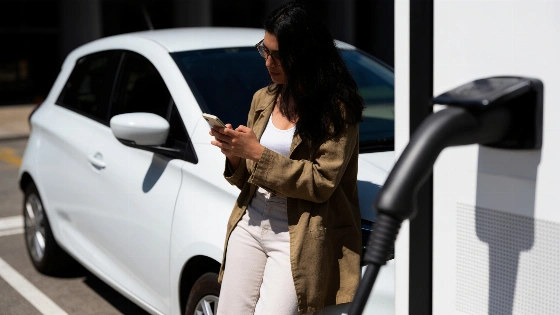
A large-scale study of nearly 10,000 used electric cars has found that battery degradation is far less severe than many drivers fear. The majority of vehicles retain most of their original capacity, even after years of real-world use.
When the Swedish car marketplace Carla set out to test the batteries of 9,953 used electric vehicles between 2022 and 2026, the results challenged one of the biggest concerns in the EV market: how quickly do batteries lose their capacity in real life? For many potential buyers, doubts about battery longevity and the high cost of replacement have been enough to put off the switch to electric. But the data now paints a much more reassuring picture.
According to Carla’s findings, more than half of the tested vehicles—5,189 cars—still had at least 95% of their original battery capacity. Even more striking, 94% of all cars checked maintained over 90% capacity, a figure well above the threshold that typically triggers manufacturer warranties, which often only apply if capacity drops below 70%.
Only a small minority showed more significant wear: 531 vehicles had between 85% and 90% capacity, 26 cars fell between 80% and 85%, and just 13 vehicles—roughly one in a thousand—dipped below 80%. The average mileage for the cars in the study was around 50,000 kilometers, suggesting the sample mostly covered vehicles with moderate use and age.
Battery Health in Real Conditions
Even among cars with over 100,000 kilometers on the clock, the average battery capacity remained above 92%. This challenges the common comparison between EV batteries and those in smartphones, which often degrade rapidly. Unlike phones, electric cars are equipped with advanced battery management and thermal control systems designed to protect the cells during both driving and charging. Manufacturers also build in safety margins—so-called “buffers”—to ensure the full capacity is never completely used, which helps slow down degradation.
For the technical side of the study, Carla relied on diagnostics from Austria’s Aviloo Diagnostics, using both quick “Flash Tests” and more thorough “Premium Tests” that involve fully charging and then discharging the battery during real driving. These methods provided a detailed look at how batteries perform outside of laboratory conditions.
What the Numbers Mean for Drivers
The findings suggest that, for most drivers, battery degradation is unlikely to be a major issue within the first several years of ownership. The way a car is used and charged still matters—two identical vehicles with similar mileage can show different levels of battery health depending on driving and charging habits. But the overall trend is clear: the vast majority of used electric cars on the market retain strong battery performance, even after years of daily use.
For those weighing the pros and cons of electric vehicles, these results may help ease concerns about long-term value and reliability. As noted in a recent comparison of real-world EV range, such as the highway endurance test of the Tesla Model Y, the technology behind electric cars continues to evolve, with both range and battery health improving year by year.
Context and Outlook
Battery warranties from most major manufacturers typically last eight years or up to 160,000 kilometers, with coverage if capacity drops below a set threshold—usually 70%. The Carla study suggests that, under normal conditions, most owners are unlikely to reach this limit within the warranty period. For buyers in Spain and across Europe, this could make the used EV market more attractive and help counter persistent myths about rapid battery decline.