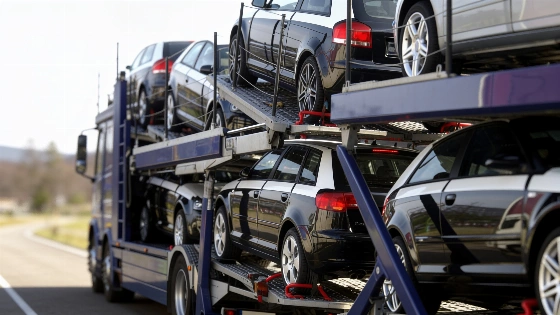
DGT figures show that 30.6% of used imports are domiciled outside the province where they were first registered. Murcia has become a major entry point for those vehicles, supplying buyers in the region and elsewhere in Spain.
The region imported nearly 20,000 used vehicles in 2025, 150% more than in 2019. Imported used cars accounted for 33.9% of its car registrations, compared with 11.8% nationally. Among registrations made by private individuals, the share reached four in ten. German brands represented 65% of the imported vehicles.
The pattern extends to the wider market. German marques made up 34.9% of all Murcia registrations, against 26.2% across Spain. Volkswagen and Mercedes-Benz, along with Audi and BMW, are more prevalent in the region, while Peugeot and Renault are less common. Toyota is also below the national pattern, despite Murcia’s low average income per person.
A buyer in Yecla illustrates the demand. Unable to find the Volkswagen Golf he wanted through local dealers, he arranged the purchase through Daniel Rodríguez, who brought the 2019 car from Germany. It had more than 110,000 kilometres on the clock and cost €24,000 delivered. Information from the account, a comparable car bought locally could have cost up to €10,000 more.
Rodríguez, who operates Lux Cars Imports, says many of his Murcia customers are aged between 20 and 30 and seek mid-range or premium cars. A Golf GTI with a sunroof can command an additional €2,000 to €3,000, he says. The region is his second-largest source of customers after Madrid.
Repair work offers another route into the trade. David Paz, a Venezuelan mechanic in Los Dolores, buys imported cars with faults for repair and resale. He says a Golf recently brought him a 30% profit. His aim is to build a stock of 10 or 15 cars, but he estimates that would require about €100,000 in capital.
Established businesses handle a much larger flow. Iván Torralba, who has imported cars from Germany for more than 10 years, says 80% of his vehicles are sourced to order. He travels to Germany to check them and avoids cash payments and swaps. He says some traders use those methods to pay less tax. Murcia has more than 2,000 businesses involved in importing and selling used vehicles, according to Mario Arnaldo, president of Automovilistas Europeos Asociados.
The market also sits alongside coverage of new cars: a recent Nissan Ariya feature examined an electric model. By comparison, 65% of Murcia’s imported used vehicles are German. Some Murcia firms buy whole fleets in Germany; others source vehicles in Belgium and the Netherlands before distributing them to dealers or buyers across Spain.
Low vehicle tax rates elsewhere can shape where imported cars are registered. Arnaldo points to Rozas de Puerto Real, which has 580 residents and 22,644 registered passenger cars. Of those, 5,467 are used imports, and 99% of all the vehicles are registered to companies. Domiciling a vehicle there costs one-seventh of the amount charged in Madrid city, he says.