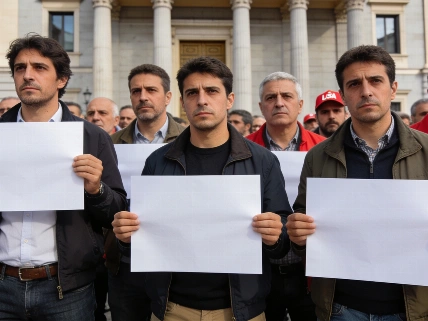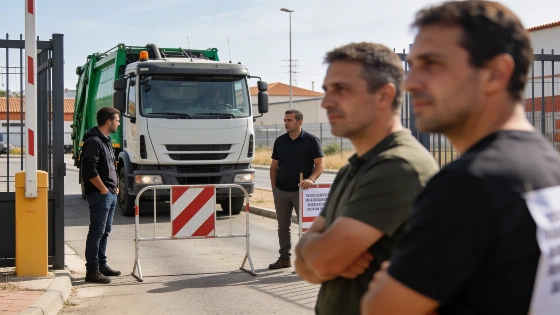
EFE reported that pickets prevented PreZero waste-collection trucks from leaving their operating area in Murcia from midnight on Wednesday, 11 November, during a regional 24-hour general strike called by CCOO and UGT, with Intersindical and other social organizations also participating. CROEM nevertheless described business activity across the region as relatively normal, with scant strike participation in its early assessment.
The employers’ association reported zero participation in the sectors it analysed. Its assessment covered approximately 200,000 workers arriving at their jobs from 7:00 to 8:00 a.m. That represents 35% of regional employment and 38% of the business fabric. CROEM puts the region’s economic base at about 94,000 companies and 627,000 workers. It said workers reached workplaces in the main industrial areas without significant difficulty. Companies in the Polígono Industrial Oeste opened normally despite the restriction on the trucks.
Disruptions also affected access to several industrial estates. Problems were reported at Cabezo Beaza in Cartagena and at Mercamurcia in Murcia. At Saprelorca in Lorca, a picket of about 30 people gathered without causing traffic delays or preventing workers from entering workplaces. At Cabezo Beaza, the picket likewise did not stop employees from entering or companies from operating.
Pickets also cut traffic on Cartagena’s Avenida Alfonso XIII. Other incidents affected the road to Alcantarilla and motorway access near Murcia’s El Carmen neighbourhood. They visited hospitality businesses and leisure venues, as well as workplaces. EFE reported that business activity began with relative normality despite road closures and access problems.
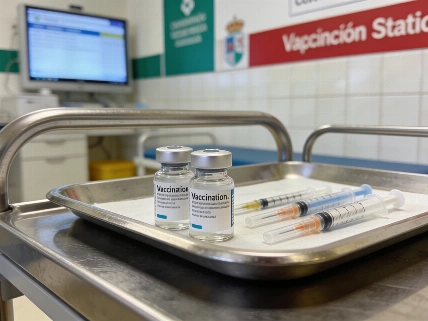
Minimum-service requirements published by the regional government on 7 November, four days before the strike, covered health care and education, alongside transport. They also applied to emergency response, social care and fire-prevention functions. Hospitals were to maintain emergency services and critical care. This included intensive care and dialysis, while treatments that could not be postponed also had to continue. Urgent medical transport was set at 100%. Measures also covered the 112 emergency service. Civil Protection and essential care facilities were included too.
CROEM said it respects the right to strike while calling for free access to workplaces and the freedom of those who choose to work.