Spain braces for a weekend of coordinated housing protests in over fifty cities. The eviction of an 87-year-old Madrid resident and a contentious parliamentary vote have galvanized tenant unions and social groups to take to the streets.
Maricarmen’s eviction changed everything. She was 87, forced out of her Madrid apartment after seventy years. That happened on September 23. Her story, reported by Associated Press and BBC, hit a nerve. It became a symbol. Now, Spain’s housing crisis is out in the open.
This weekend, more than fifty cities will see protests. Tenant unions and grassroots groups are leading the charge. They want urgent reforms. The timing is sharp. Just one day before, the Spanish Congress approved two government housing decrees. The Confederación de Sindicatos de Inquilinas backed them, but not without criticism. The problem? Key protections are split between two separate texts. One decree covers anti-eviction rules and rent caps. The other deals with automatic lease extensions. Both must pass. If either fails, reforms stall. Tensions are high. Reuters and AP report that tenant groups are pushing lawmakers to pass the full package. They warn that splitting the guarantees could leave renters exposed.
The slogan 'Not one more Maricarmen' has become a rallying cry, with activists from over 20 European countries joining the Spanish protests.
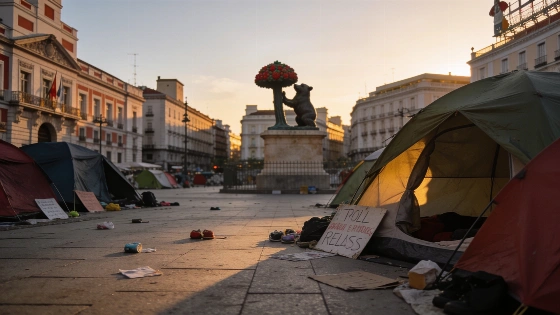
The protests didn’t appear overnight. Momentum built all week. Madrid’s Puerta del Sol saw a mass encampment. It spread fast to other cities. On Thursday, caceroladas—pot-banging protests—rang out at town halls. Protesters called on parliamentary groups to support the housing measures. In Logroño, marchers moved from the old bus station to city hall. The scale kept growing. AP and BBC counted hundreds, sometimes nearly a thousand, at Puerta del Sol. Saturday’s Madrid demonstration drew tens of thousands. The movement is big. It’s loud.
Protest plans are tight. Friday brings rallies in Bilbao, Donostia, Pamplona, Segovia, Sevilla, and Vitoria. More events are set for Sunday in some of these cities. Saturday morning, marches hit València, Santa Cruz de Tenerife, Ferrol, Madrid, Arrecife, Cádiz, Guadalajara, Las Palmas de Gran Canaria, León, Los Llanos de Aridane, Huelva, Girona, Palma, Puerto del Rosario, Santander, Santiago de Compostela, Zamora, Ourense, and Talavera de la Reina. Saturday afternoon, Zaragoza, Albacete, Toledo, L'Hospitalet de Llobregat, Barcelona, A Coruña, Granada, Jerez de la Frontera, Lugo, Málaga, Soria, Valladolid, Vigo, Palencia, and Burgos will see their own crowds. Sunday’s actions reach Almería, Cuenca, Badajoz, Gijón, Salamanca, Logroño, Murcia, Teruel, and Córdoba. Pontevedra joins on Monday night. Ávila and Ciudad Real are also confirmed. The list keeps growing.
Organizers say this is no flash in the pan. It’s a coordinated answer to both shaky laws and the real human cost of Spain’s housing policies. In L'Hospitalet de Llobregat, a march first planned as a tribute to Olga—a resident who died by suicide after eviction—has become a wider call to stop these tragedies. The movement adapts. It escalates. Protesters learned from the Puerta del Sol encampment, which was reported earlier. They’re not backing down.
According to Associated Press and other major outlets, the protests are fueled not only by Maricarmen's eviction but by a broader crisis: rising rents, a shortage of affordable housing, and increasing eviction rates in Spain's largest cities have left many tenants vulnerable. Protesters are demanding a ban on evictions without alternative housing, stronger tenant protections, and effective rent controls.
Behind the banners, frustration runs deep. The Confederación de Sindicatos de Inquilinas supports the government’s decrees but slams the piecemeal approach. They warn that splitting reforms into two votes could leave tenants unprotected if one fails. The demand is simple. Tenants want real, enforceable protections against eviction and rent hikes. No half-measures. No brinkmanship. Reuters notes the government’s emergency housing package includes new eviction safeguards and rent rules. But advocacy groups are wary. If the measures don’t pass together, protections could be watered down.
Spain’s housing movement has never been this visible. Or this organized. The next few days will test both the protesters’ resolve and lawmakers’ promises. The housing crisis is now front and center in Spain’s politics. The government’s next move will show if public pressure brings real change—or just more frustration for those fighting to stay in their homes.