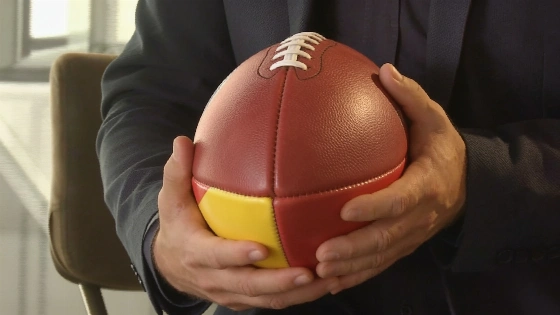
On November 8, Santiago Bernabéu will host a regular-season NFL game between the Cincinnati Bengals and Atlanta Falcons. The league has signed a multi-year deal to return, and confirmed it will be back in Madrid in 2026 and beyond. The move is part of a broader push to establish American football in Spain.
The groundwork began well before the Bernabéu game. Sevilla’s Ciudad Deportiva Luis del Sol became an NFL hub for a day when NFL Experience Sevilla, run with Real Betis, drew fans to a Kansas City Chiefs vs Miami Dolphins watch party. The NFL’s 2026 international schedule, as reported by ESPN and other top sports outlets, includes Madrid and other major European cities. The league is building a global plan that goes beyond testing the waters.
Rafael de los Santos leads the NFL’s efforts in Spain. He told ElDesmarque the league is using local ties to build fan engagement. The Chiefs’ visit to Sevilla meant more than a photo op: Sevilla and Kansas City are sister cities, a connection that still surprises people in the US. “When I tell them that one of the most impressive avenues here is called Avenida de Kansas City, it blows their minds,” De los Santos said. The connection goes both ways, with Kansas City neighborhoods featuring reminders of Sevilla. Even Patrick Mahomes has reportedly talked about Andalucía and Sevilla.
Madrid is the basic stage. The first regular-season game at the Bernabéu, Miami Dolphins vs Washington Commanders in November 2025, drew 78,610 fans. De los Santos called it a turning point. “After the first game last year, I think it marked a before and after,” he said. The NFL wants to keep fans interested throughout the season, with events such as the Sevilla watch party extending engagement beyond game day. Official league sources say Spain is now a basic market for new business and media projects. Local sponsorships and contests tied to the Bernabéu game show the NFL is investing in sports and marketing to deepen its presence in Spain. The league has also launched a dedicated Madrid Games section on its Spanish online shop, targeting merchandising and fan engagement in the country.
The NFL isn’t trying to take on Spanish football. “Spain is a country of soccer, of football, and the sport we represent has a following that does not compete with soccer,” De los Santos said. The league wants to coexist, bringing in new fans while respecting the longstanding passion for fútbol.
The countdown to Bengals-Falcons is on. De los Santos called the next few weeks “almost 24 hours and seven days a week” of work. The pressure is real: the NFL’s future in Spain depends on sustained engagement beyond a big show. Spanish fans need to feel like they belong.
Spain’s appetite for global sports is growing. As reported earlier, major tournaments and world competitions keep landing in Spanish cities. The country’s sports calendar is becoming increasingly international.
The NFL is betting on Madrid and building from the ground up in places like Sevilla. If the Bernabéu crowd matches last year’s energy, this could become a tradition. The league’s ability to respect local culture and build real connections may determine whether American football takes root in Spain.