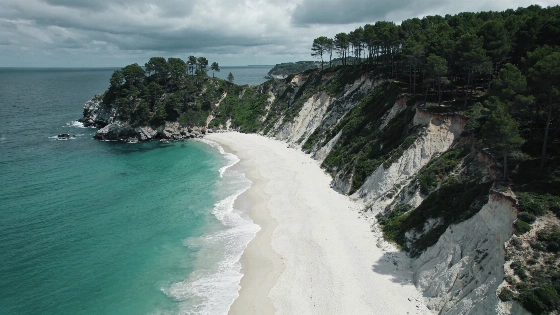
As Spain braces for another scorching summer, the country’s northern coastlines stand out for their wild beauty and cooler temperatures. From Galicia’s white sands to the surf breaks of the Basque Country, these beaches offer a refreshing alternative to the crowded Mediterranean.
With forecasts from AEMET pointing to record-high temperatures across Spain for July, August and September 2026, the search for a cooler summer escape is more urgent than ever. While the Mediterranean draws crowds and the interior swelters, the northern regions—Galicia, Asturias, Cantabria and the Basque Country—are quietly becoming the destination of choice for those seeking fresh air, dramatic scenery and a slower pace by the sea.
In Galicia, the playa de Rodas on the Cíes Islands is often described as one of Spain’s most spectacular beaches. Its powdery white sand and turquoise waters are protected within the Atlantic Islands National Park, making access strictly regulated in high season. Visitors must secure authorization from the Xunta de Galicia to step onto this pristine stretch, especially during peak summer months.
Also in Galicia, playa de As Catedrais near Ribadeo is famous for its natural stone arches and sculpted cliffs, best explored at low tide. The beach’s popularity has led to a reservation system from July through September and during Easter, though permits remain free of charge. The unique rock formations and tidal pools make it a highlight for nature lovers and photographers alike.
Asturias: Hidden Coves and Natural Wonders
Asturias offers a different kind of coastal experience. The playa del Silencio in Cudillero is framed by steep cliffs and rounded pebbles, accessible only on foot. Its isolation preserves a sense of tranquility even in August, and the surrounding landscape is considered among the most beautiful in western Asturias.
Nearby, the playa de Gulpiyuri in Llanes is a geological curiosity: a tiny inland beach with no direct access to the sea, where saltwater filters through underground channels beneath the cliffs. Recognized as a Natural Monument, Gulpiyuri measures just a few dozen meters but offers a rare and peaceful setting away from the crowds.
Cantabria: Wide Sands and Surf Culture
Cantabria’s coastline is defined by expansive beaches and protected dunes. Valdearenas in Liencres stretches for nearly three kilometers alongside the Dunas de Liencres Natural Park, a haven for surfers and walkers. The fine sand and open Atlantic waves create a wild, invigorating atmosphere, while the adjacent pine forest offers shade and shelter from the wind.
Further east, playa de Trengandín in Noja is one of Cantabria’s longest beaches, extending over three kilometers to the El Brusco headland. Its proximity to the town makes it accessible, but the vast open space ensures it rarely feels crowded, even in the height of summer.
Basque Country: Cliffs, Surf and Coastal Walks
In Bizkaia, playa de Barinatxe—known locally as La Salvaje—lies between Sopela and Getxo. This 750-meter stretch is backed by dramatic cliffs and is a magnet for surfers, hikers and swimmers looking for a wilder, less urbanized coastline. The strong waves and golden sand make it a favorite for those seeking both adventure and relaxation.
Gipuzkoa’s playa de Zarautz is the Basque Country’s longest beach, with 2.5 kilometers of golden sand and a lively promenade. It’s a classic surf destination, but also ideal for long walks and enjoying the region’s milder summer climate compared to southern Spain.
For travelers considering alternatives to the usual hotspots, the north of Spain offers a compelling mix of natural beauty, cooler weather and a sense of space that’s increasingly rare in August. This trend toward less crowded, more authentic destinations echoes a broader shift in European travel, as seen in the growing appeal of cities like Budapest for older travelers—a topic explored in this recent look at why seniors are choosing Budapest over Paris or Rome.
As the summer heat intensifies, the wild beaches of Galicia, Asturias, Cantabria and the Basque Country stand out as some of Spain’s best-kept secrets—offering not just relief from the sun, but a different way to experience the coast.