A Madrid judge has raised Omar Montes’ child support from 650 to 2,000 euros a month. Montes says he’d rather set aside 3,000 euros monthly for his son’s future than pay the new sum to the boy’s mother.
Omar Montes faces a new court order. A Madrid judge told him to triple his monthly child support. The singer’s income has jumped in recent years. Now he must pay 2,000 euros each month for his 14-year-old son. That’s a big jump from the 650 euros he used to pay. Still, it’s only half of what the boy’s mother wanted. Spanish media, citing the official court decision, report that Montes must also cover private health insurance and extra costs for his son. These are on top of the base payment.
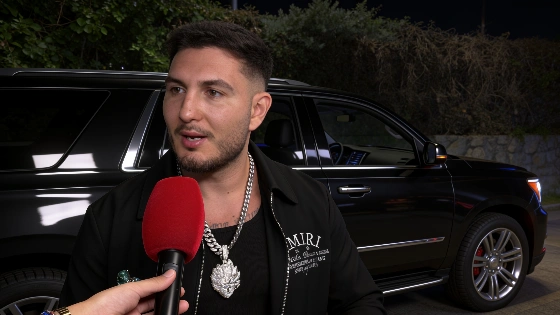
Montes didn’t hold back. He told reporters in Madrid, "I would rather pay 3,000 to him, in a fund for when he turns 18, than 2,000 to the mother." His idea is simple. He wants to keep the mother’s payment at 600 euros and put the rest in a special account for his son’s future. "He’ll never lack anything, but I want him to have his own money when he’s of age," Montes said. He made it clear he disagrees with the court’s approach.
The Spanish prosecutor supported raising the child support to 2,000 euros per month, a position the court ultimately adopted over the mother’s higher demand.
The fight is about how much Montes should pay, given his new wealth. Informalia, citing court documents, says Montes’ net earnings reached about 1.5 million euros in 2025. That’s a huge leap from his early career. The boy’s mother, Nuria Abrerira, reportedly earns around 2,700 euros a month. She asked for 4,000 euros monthly for support, plus nearly 2,000 euros for private bilingual school and health insurance. The judge said no. The court ruled that support must match the child’s needs and both parents’ means, not just the father’s rising fortune. La Vanguardia and Infobae report the final sum was a compromise. The mother got only part of what she wanted.
The court also listened to the teenager. The boy lives with his mother and grandmother in a small two-bedroom apartment. He told the court he doesn’t want to change schools. He also said he doesn’t plan to keep studying after finishing compulsory education. The judge decided that 2,000 euros a month, plus extra expenses and full private health insurance paid by Montes, would improve the boy’s life. Several Spanish outlets noted the son, now 14, spoke directly to the court. His wishes shaped the final decision.
Montes hasn’t said if he will appeal or formally submit his alternative plan. When asked about his next move, he replied, "I don’t know what I’m going to do." For now, the legal fight continues. The teenager—born in 2012, before Montes became famous—remains at the center of a very public family dispute.
The court’s decision also obliges Montes to pay for all extraordinary expenses and private health insurance for his son, in addition to the monthly support. At the time of reporting, Montes had not confirmed whether he would appeal the ruling, though some outlets suggest this remains a possibility.
Spain’s child support rules are under the spotlight. High-profile cases like this show the tension between a parent’s income and what a child actually needs. The court’s decision follows a pattern seen in other recent rulings. Proportionality and the child’s welfare come first, not just parental wealth. For context, Spanish pension and support system changes have been tracked in recent coverage.
This case shows how messy family law can get when celebrity money meets real life. The judge refused to grant the mother’s full request, even with Montes’ big earnings. The message is clear. Child support isn’t a blank check, even for the rich. Montes’ push for a direct fund for his son, instead of higher payments to the mother, taps into a bigger debate. How do you secure a child’s future without fueling more conflict? The answer here won’t please everyone. But it sets a line for how Spanish courts weigh prosperity, parental duty, and what kids really need.