Barcelona hosted one of its largest Pride parades, with more than 140,000 participants. The event featured a vibrant procession, political figures, and performances. Despite high temperatures, the city’s LGTBI+ community celebrated visibly.
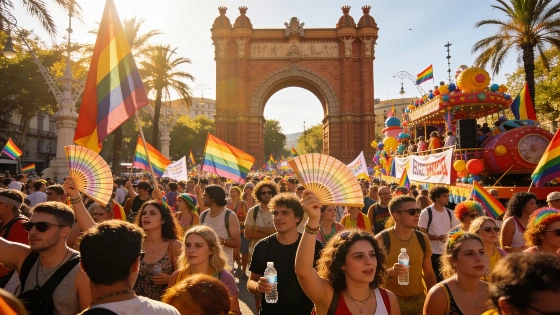
Barcelona’s city center was transformed on Saturday as more than 140,000 people gathered for the main event of Pride Barcelona 2026. The parade, which marked the culmination of nearly a month of LGTBI+ rights activities, moved through the city under the slogan “todas las realidades, un solo orgullo.” Despite soaring temperatures, the turnout reached record levels, according to city authorities.
The march began at 18:00 from plaza Universitat, with dozens of floats decorated in rainbow colors and banners from various organizations, associations, companies, and institutions. The procession made its way to the Arc de Triomf, accompanied by music, batucada drummers, and a diverse crowd. The front of the parade featured bicycles carrying flags of the LGTBI+ community, escorting elderly participants and those with reduced mobility in wheelchairs. Behind them, social organizations displayed messages such as “El orgullo también es no dejar a nadie atrás” and “Pensemos, respondamos, cambiemos.”
Among the groups represented were BCN Checkpoint, STOP, ACATHI, Panteres Grogues, and the Hospital Clínic collective. Political parties, unions, and sponsors like Hilton and the Apolo venue also joined the march. Notable attendees included Barcelona’s mayor Jaume Collboni, Minister of Culture Ernest Urtasun, Generalitat officials Albert Dalmau and Eva Menor, deputy mayor Maria Eugènia Gay, ERC’s Elisenda Alamany, European Parliament’s Terry Reintke, and Ferran Poca, president of the Pride Barcelona organizing committee.
For many, the event extended beyond the parade itself. The city hosted concerts and cultural activities throughout the week. On Friday, Brazilian singer Daniela Mercury performed at Paral·lel 62, returning to Barcelona 21 years after her last major show in the city. Mercury, known for her advocacy for gender equality and LGTBI+ rights, highlighted the connection between her music and the fight for diversity. The Pride program continued into Saturday night with free concerts at plaza Universitat and the paseo de Lluís Companys, featuring artists such as Beth, Gala, Kate Ryan, Roser, and Leire Martínez, as well as performances by Ouineta, Putilatex, Kika Superputa, and other figures from the LGTBI+ scene.
The scale and visibility of Pride Barcelona reflect the city’s ongoing role as a center for LGTBI+ rights in Spain. The event’s inclusive approach, with accessible routes and participation from a wide range of organizations, underscores the importance of public space for community expression. According to official data, the parade’s attendance places it among the largest Pride events in Europe. Barcelona’s Pride celebrations have grown steadily since their inception, drawing both local residents and visitors from across Spain and abroad. The city’s commitment to diversity and equality is evident not only in the size of the event but also in the range of voices and experiences represented. As Spain continues to be recognized for its progressive stance on LGTBI+ rights, events like Pride Barcelona serve as both a celebration and a reminder of ongoing challenges and achievements in the fight for inclusion.