MV Hondius Cruise: Hantavirus Outbreak, Deaths, and Quarantine on Board. Deaths and mass hantavirus infections have been reported on the MV Hondius. The cruise from Argentina has turned into a public health crisis. Authorities and medical teams are responding urgently to the situation.
The cruise ship MV Hondius, traveling from Ushuaia to Cape Verde, found itself at the center of an international health crisis after a hantavirus outbreak on board. Over the 40-day voyage, three passengers died, dozens were at risk of infection, and authorities from several countries were forced to take emergency measures. The situation recalled the events of the COVID-19 pandemic but unfolded in its own way.
First symptoms and crew response
The first alarming signs appeared already in early April, when one of the passengers—a 70-year-old Dutch citizen—fell ill. He developed a fever, headache, and diarrhea. The man remained in his cabin and died a few days later. His body was kept in the ship's refrigeration unit for two weeks, while his widow stayed on board under medical supervision. Despite the death, the captain assured passengers there was no danger, and the cruise continued as planned.
Spread of infection and new casualties
The ship made stops at remote islands, including Tristan da Cunha and Saint Helena. At the latter, 30 people, including the widow of the deceased, went ashore and traveled to different countries. Already at Johannesburg airport, the woman lost consciousness and soon died in a hospital. Meanwhile, the ship’s doctor and his assistant, as well as other passengers, began to fall ill. Only after evacuating the sick and the appearance of new cases did the crew request laboratory tests and tighten sanitary measures.
Isolation and international response
When laboratory tests in South Africa confirmed the presence of the Andes virus—the only type of hantavirus capable of human-to-human transmission—the situation took on an international dimension. Another passenger from Germany died onboard. The ship was denied entry to Cape Verde, and only after the intervention of international organizations and consultations with WHO and ECDC were passengers permitted to disembark. The Spanish authorities, whose territory the MV Hondius was heading for, decided to strictly isolate the vessel off the coast of Tenerife and impose quarantine on all Spanish citizens, as detailed in the article on the measures taken to receive the ship in the Canary Islands.
Life on board and aftermath
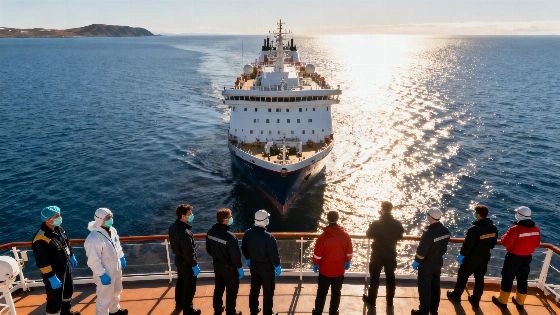
Passengers of the MV Hondius—including travelers from the UK, the US, Spain, and other countries—found themselves under strict isolation. Meals were delivered to cabin doors, staff worked in masks and gloves, and communication among people was kept to a minimum. Despite unsettling news, some passengers remained calm, while others expressed concern and criticized the crew's and Oceanwide Expeditions' actions. The outbreak became the largest recorded case of Andes virus transmission outside Latin America and drew the attention of health services worldwide.