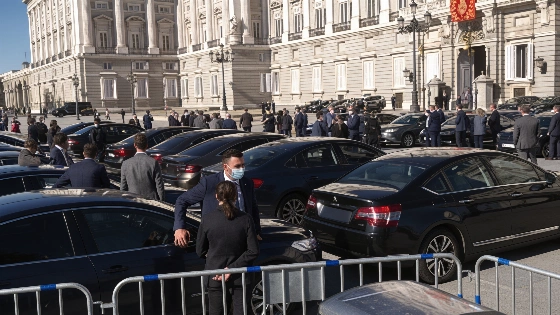
Pedro Sánchez has ramped up his personal security to levels unseen in Europe, while pushing through controversial rental decrees that risk freezing Spain’s housing market. His actions reveal a growing disconnect between the government and the people it claims to serve.
Madrid has not seen this before. Pedro Sánchez now travels the city behind layers of security. His convoys and bodyguards outnumber those of any other European leader. The president’s fear of public backlash is now out in the open. His government keeps rolling out policies that many say are driving a wedge between those in power and everyone else.
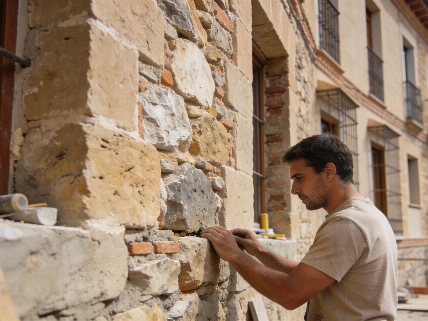
Recent moves have only made the gap wider. After youth protests erupted at Puerta del Sol, Sánchez’s team rushed out two rental decrees. Critics say these will shake up the housing market even more. BBC and EFE report the decrees ban evictions for vulnerable households until 2030. They extend some rental contracts to 2028. There are new rules for short-term and room rentals. Investment funds now face limits on buying property. The government insists these steps are needed to fix the housing crisis. But the decrees still need parliament’s approval. Even inside the ruling coalition, there is debate over what the rules really mean and how far they go.
The trigger for the mass protests was the eviction of an elderly woman in Madrid, which led to a surge of public outrage and accelerated the government’s anti-eviction response.
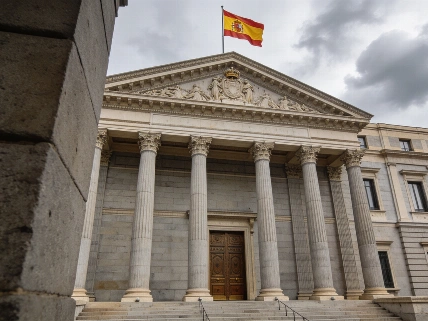
Sánchez’s security detail has grown to a level that even veteran police call "absolutely disproportionate." When he appeared on "El Hormiguero," he showed up with what looked like nearly a hundred bodyguards. The scene unsettled viewers across Spain, a country known for calm streets. Every trip to Congress now means more police, more closed streets, and more detours for people on foot. All of this keeps Sánchez from facing the people who pay his salary. Still, independent sources say there is no solid proof of the exact number of bodyguards or the "nearly a hundred" claim. What is confirmed is a clear rise in police presence and street closures during his movements, especially when protests are near.
This does not look like confidence. It looks like a leader who feels his grip slipping. The Spanish public is loud in protest but not violent toward leaders. Sánchez acts as if every protest is a threat to his life. He seems to mistake democratic dissent for personal danger.
History has seen this before. A president hiding behind barricades brings to mind the last days of isolated regimes. Security becomes a wall between power and people. The message is simple. When leaders hide behind armored cars and empty streets, it is not strength. It is fear.
Despite the government’s announcement of new housing measures, protests have not subsided. Euronews reports that demonstrators at the Puerta del Sol encampment planned to remain even after the decrees were unveiled, reflecting ongoing political tension and dissatisfaction with the scope of reforms.
The government’s rental decrees could do lasting harm. By shaking legal certainty, they may push property owners out of the market. Renters could face fewer choices and more frustration. As reported earlier, mistakes in other sectors have already shown the price of government indecision and overreach.
Spain does not need a leader who hides behind barricades. The real threat is not the public. It is a presidency so locked in fear that it cannot walk among its own people. When the gap between government and citizens grows this wide, democracy starts to crack. Spain deserves a leader who faces the crowd, not one who runs from it.