Spain enters a decisive political season amid unresolved crises. The government faces pressure over Ceuta and immigration. In Catalonia, education and transport issues threaten stability.
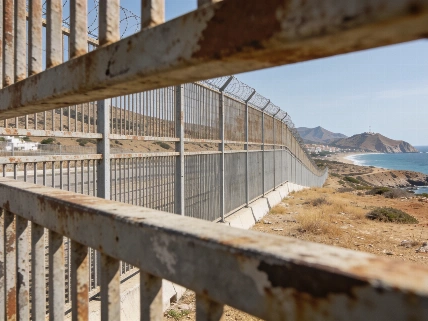
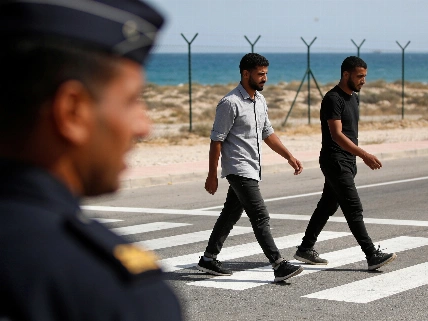
Spain’s political landscape faces renewed turbulence as September brings unresolved crises to the forefront. The government led by Pedro Sánchez starts the new political season under pressure, with the Ceuta migrant situation remaining a major point of contention. The crisis, which began with unclear origins and was managed with delays and uncertainty, continues to cast a shadow over the executive. The handling of immigration, now marked by increasingly tough rhetoric, has become a flashpoint. If the government’s approach remains inconsistent, it risks fueling polarization and strengthening extremist voices, with the Partido Popular (PP) ready to capitalize on any missteps.
In Catalonia, Salvador Illa’s administration has reached the midpoint of its term with a workable parliamentary majority but faces mounting operational challenges. Despite securing the first regional budget since 2023 after lengthy negotiations, the government has struggled to convey a sense of reliable management. The education sector remains particularly volatile: last year ended with teacher protests, and the new academic year is set to begin under similar strain. The recent PISA assessment missteps have only heightened the perception of ongoing crisis. While additional resources have been allocated to schools, the declining number of students and questions about the effectiveness of new teacher hires raise doubts about the system’s direction.
Transport issues compound the difficulties. Months of disruptions on the Rodalies commuter rail network have left users frustrated, with planning errors—such as those seen during the eclipse event—highlighting persistent weaknesses. Although the transfer of service management is underway and investment levels are notable, tangible improvements are unlikely to be felt in the short term. Without clear progress in education and mobility, the government’s promise of efficient management remains in question, despite efforts to streamline bureaucracy, reform administration, and advance renewable energy projects.
Housing policy also faces obstacles. The government’s push for rapid construction and new legislative proposals, including measures to curb speculative buying, has been slowed by delays in the regional parliament. Meanwhile, key legislative initiatives in both Catalonia and Spain depend on support from other parties. The new financing model demanded by ERC and outlined by the Ministry of Finance must clear several hurdles in the coming weeks, but its passage in Congress is far from assured. The final phase of the amnesty process, a collective achievement claimed by pro-independence forces, now moves to the courts following European approval of the law.
Political competition remains limited. Salvador Illa does not currently face a strong alternative, even as some promises—both his own and those agreed with coalition partners—remain only partially fulfilled and the far right gains ground. The central question is whether Illa’s government can gain momentum in the second half of its term or will simply advance due to a lack of credible opposition. The situation in Ceuta continues to shape the national agenda, as highlighted when the unresolved migrant influx forced the government to answer questions in Congress and seven ministers were called to testify, a development detailed in recent parliamentary hearings on the Ceuta crisis.
Spain’s current political climate is defined by a series of interconnected challenges. The Ceuta crisis has exposed vulnerabilities in migration management and inter-institutional coordination. In Catalonia, the government’s ability to deliver on education, transport, and housing reforms will be critical for maintaining stability. The outcome of ongoing legislative negotiations and judicial reviews will shape the remainder of the term for both Sánchez and Illa. As the country moves deeper into an election year, the effectiveness of responses to these crises will likely determine the political fortunes of the main actors involved.