PP accuses government of manipulating Pope’s words to deflect from corruption. Spain’s domestic political conflict has intensified after the Pope’s address in Congress. The PP believes the government is using his words to divert attention from corruption cases. At the heart of the dispute lies migration policy.
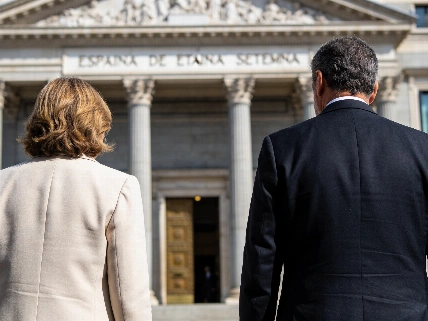
A new political conflict has flared up in Spain following the Pope’s visit to Madrid. The leadership of the Partido Popular sharply opposed the attempts by Pedro Sánchez’s government to interpret the Pope’s words as support for its migration policy. PP representatives believe that the authorities are using the Pope’s authority as a tool to divert attention from their own corruption issues.
The cause of the dispute was the Pope’s address to Congress, where he stressed the inadmissibility of discrimination based on nationality, ethnicity, or social status. These remarks were perceived as criticism of the 'national priority' policy — a principle that PP and VOX have enshrined in a number of regional agreements. Under these agreements, foreigners receive access to social benefits only after residing in the region for an extended period. However, the PP insists it is not about discrimination, but about supporting those with strong ties to the territory.
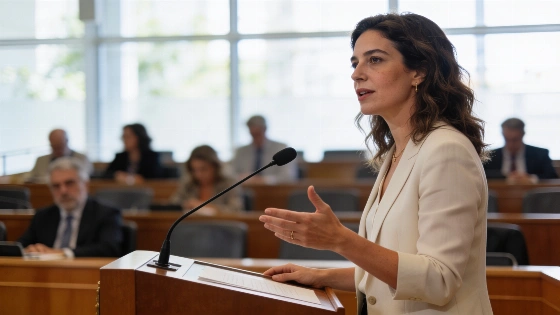
Party spokesperson Ester Muñoz stated that the Pope made no direct comments on laws regarding immigration, abortion, or euthanasia, and that his role is not to interfere in legislative disputes but to speak about humanistic values. According to her, the government’s attempts to interpret the Pope’s words in its favor are an example of political manipulation. She also emphasized that none of the PP’s agreements violate fundamental rights, and that the Pope himself spoke of the need to combat criminal groups involved in illegal migration.
Within the party, there is a sense that even against the backdrop of the Pope's visit, attention to legal proceedings remains undiminished: in the past 24 hours, courts have pressed charges against the SEPI vice president, and PSOE chair Cristina Narbona has been summoned to testify as a witness. At the same time, as russpain.com notes, similar conflicts over corruption cases have already led to staffing decisions in some regions—for example, the Valencian authorities considered the removal of an official following court proceedings.
The situation may worsen in the near future: the Pope is expected to visit the Canary Islands, where he plans to meet with migrants arriving by boat. This event could once again put the policies of PP and VOX on restricting the admission of underage foreigners in the spotlight. The party emphasizes that they do not consider themselves the target of the Pope's criticism and are open to an internal review after his address.
For reference: 'national priority' is a principle under which citizens or long-term residents of a country are given preference in the allocation of social benefits and services. In Spain, this approach sparks debate between supporters of more open migration policies and those insisting on safeguarding the interests of local residents. In recent years, migration has become one of the most contentious issues in Spanish politics, and visits by religious leaders are often used to bolster the positions of various parties.