The Partido Popular calls for early elections amid mounting unrest in Ceuta. The party criticizes the government's handling of the migrant influx and rising social tension. Security incidents and political clashes intensify the crisis.
The Partido Popular (PP) has intensified its campaign for early national elections, seizing on the deepening crisis in Ceuta as a central argument. With the autonomous city facing nightly unrest and a surge in migrant arrivals, PP spokesperson Borja Sémper urged the government to dissolve parliament and allow voters to decide the country's direction. Sémper argued that the situation in Ceuta is now out of control, highlighting what he described as the government's inadequate response during a period of escalating tension.
During a press appearance at the Congress, Sémper criticized ministers for what he called arrogance and a lack of humility in their explanations regarding the crisis. He insisted that all migrants who entered Ceuta on July 30 should be returned to Morocco, regardless of age, and accused the government of persistently misleading the public about Morocco's role in the events. The PP also questioned whether Moroccan authorities were truly unaware of the mass entry, referencing conflicting statements from the ministers of Defence and Interior about intelligence warnings before the incident.
While the PP has refrained from explicitly condemning recent attacks on migrants in Ceuta, Sémper emphasized that the party opposes violence but is more concerned about what he described as the government's inability to protect residents. He argued that many in Ceuta feel abandoned by the state, and called for better resources for security forces and the military, claiming current conditions prevent effective action. The party's leadership has strategically placed its deputy secretaries, rather than parliamentary spokespeople, at the forefront of confrontations with ministers to maximize political impact.
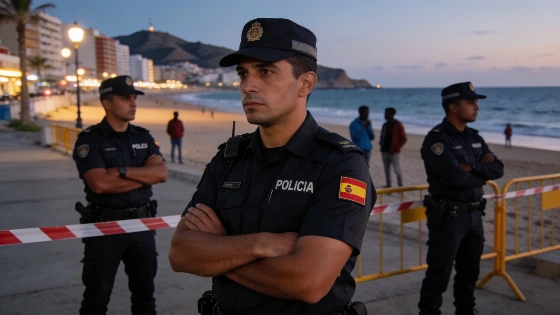
The crisis has seen nightly clashes and heightened security measures. On Wednesday night, police used tear gas to prevent a demonstration from reaching El Trampolín beach, where thousands of migrants have been camping for weeks. That same night, a group of migrants reportedly attacked an army patrol, resulting in several arrests and minor injuries among soldiers. The Minister of Territorial Policy, Ángel Víctor Torres, has called on all political forces to help calm the situation, but the PP maintains its focus on government accountability.
This latest escalation follows weeks of tension in Ceuta, where the arrival of large numbers of migrants has strained local resources and fueled public anxiety. As previously reported in coverage of Ceuta's unrest and protests over the migrant crisis, the city's challenges have become a flashpoint in national politics. The PP's renewed demand for elections underscores the broader political stakes, as both government and opposition face mounting pressure to address security, migration, and public order in one of Spain's most sensitive border regions.
Ceuta's unique position as a Spanish enclave on the North African coast has long made it a focal point for migration and diplomatic tensions with Morocco. The recent surge in arrivals and the resulting social strain have exposed gaps in coordination between national and local authorities. The situation has also highlighted the limits of Spain's border management and the need for sustained cooperation with neighboring countries. As the crisis continues, the political debate over responsibility and solutions is likely to remain at the forefront of the national agenda.