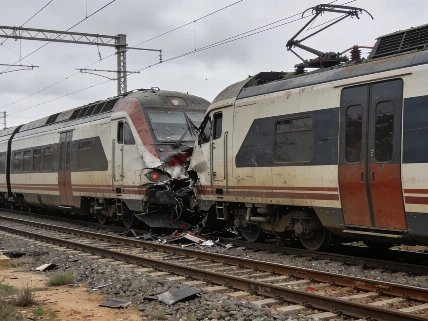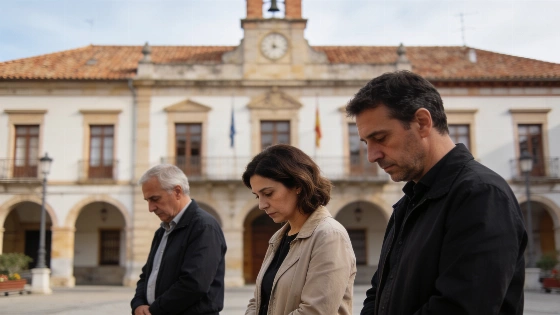
After two high-speed trains collided near Urda, Toledo, on 28 October, relatives waited for news while emergency teams treated survivors. The crash involved a Renfe AVE service and an Iryo train on Spain’s Madrid-Seville high-speed route. At least two carriages derailed and fell down an embankment. Psychologists say support must account for what follows the immediate response: some people may develop difficulties weeks or months later.
The death toll and injury count rose as rescue workers reached the damaged carriages. EFE reported at least 64 deaths: 40 passengers from the Iryo train and 24 from the Renfe train. It also reported 58 injured. Later reports cited at least 68 deaths and more than 100 injured. Castilla-La Mancha president Emiliano García-Page warned that teams could find more victims as the search continued, with trained dogs assisting the operation.
Olga Moraga Amaya, a psychologist and deputy dean of the Colegio Oficial de Psicología de Castilla-La Mancha, and Timanfaya Hernández, dean of the Colegio Oficial de la Psicología de Madrid, say the first intervention should help people feel safe and regain their bearings. Some may be in shock or deny what has happened. Others may experience dissociation and struggle to understand where they are.
Practical help can begin with basic needs. Professionals may offer water and check whether someone can use their mobile phone. They can also help that person contact people close to them. Hernández says support should respect each person’s pace and offer privacy, without prescribing how they ought to feel.
The impact varies. Moraga says injuries and the circumstances of the experience can shape a person’s response. Previous vulnerability also matters. Children and older people may feel particularly unprotected or find it harder to ask for help. An initial sense of relief at having survived does not rule out distress later on.
Some reactions are understandable after a traumatic event and do not by themselves mean that someone has a psychological disorder. What matters is whether distress persists or worsens, and how much it disrupts everyday life. Moraga and Hernández say people should watch for sleep problems, irritability, persistent alertness and recurring thoughts about the accident. Distress that interferes with relationships or work may call for specialist support.
Careful assessment matters in other health reporting, too. In the Mpox death report, doctors had not confirmed that infection caused the death of a 61-year-old man with extremely serious underlying illnesses.
Families face a separate strain as they wait to learn what has happened to loved ones. Emergency operations involved recovering and identifying victims, while teams treated survivors and carried out structural work to reach the deepest parts of the wreckage. Moraga says reducing uncertainty depends on speeding up identification and matching information about those affected with details of the dead and people taken to hospital. Hernández stresses that families need clear, verified information delivered sensitively. They also need private space to express their feelings.
When authorities communicate a death or other painful news, Moraga says they should check the information and, where possible, ensure the person receiving it has someone close by. She also advises limiting exposure to repeated images and reports of the accident, returning gradually to familiar routines and allowing time to process what happened.
Spain’s independent rail, maritime and civil aviation accident-investigation authority, AITAT, opened a technical investigation and said it was too early to advance a hypothesis about the cause. Preliminary accounts described a computer or signalling failure. They also alleged that the Atocha control centre instructed the Renfe train to continue while the Iryo train obstructed the route. These accounts have not established a cause. The technical inquiry and a judicially supervised investigation are continuing.
Follow-up should continue after the emergency response ends. Some people need help immediately; others may not experience difficulties for weeks or months, Hernández says. Both psychologists advise watching for persistent changes and seeking professional help when symptoms do not ease or make it difficult to resume daily life. The two professional colleges have offered condolences to victims’ families and support for those affected.