The Generalitat's decision to raise the price cap for public housing in Valencia means buyers now face monthly mortgage payments near €900. The opposition warns this makes access unaffordable for most families.
The recent decision by the Generalitat Valenciana to increase the price ceiling for protected public housing has triggered sharp criticism from the opposition. The new rate, set at €2,568 per square meter, represents a 7% jump from the previous €2,400, and was officially published in the DOCV last Friday. This adjustment means a standard 90-square-meter protected home now costs €231,120, a figure that opposition leaders argue is out of reach for many Valencian families.
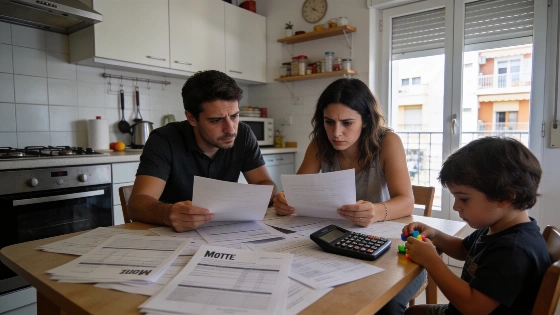
María José Salvador, deputy spokesperson for the Socialist Group in Les Corts, has called on the Consell to reverse the price hike, describing the new conditions as unsustainable for working households. According to her calculations, a family purchasing such a home would need to secure a mortgage of €184,896—assuming 80% bank financing—leaving a required upfront payment of €46,224, not including taxes and additional fees. The resulting monthly mortgage payment would approach €900 over a 25-year term, a sum Salvador says undermines the very purpose of public housing.
Salvador also highlighted that the financial burden extends beyond the monthly payment. Prospective buyers must cover the significant initial outlay, plus taxes and transaction costs, creating what she describes as a formidable barrier to entry. She argues that the Consell is blurring the line between protected and market-rate housing, making it harder for those unable to access the private market to find affordable options.
The deputy spokesperson further criticized the regional government's approach, noting that the Partido Popular has raised the protected housing price cap twice in two years, resulting in a nearly 17% increase since the previous administration. She contends that this policy shift prioritizes developer interests over the needs of Valencians seeking affordable homes. The outcome, she claims, is a public housing system that is less accessible than before, particularly for those most in need of support.
Salvador has demanded that President Juanfran Pérez Llorca withdraw the latest increase and restore protected housing to its intended role as a tool for guaranteeing the right to housing, rather than a high-priced product with a public label. She also warned that simply increasing the number of protected units is not a solution if the pricing excludes the target population.
Rising housing costs are not unique to Valencia. Across Spain, regional price surges have affected both public and private accommodation. For example, during major events, some areas have seen rental prices soar to unprecedented levels, as was the case in Andalusia ahead of the 2027 solar eclipse, where accommodation rates reached record highs.
In the context of Spain's broader housing market, protected housing is designed to offer below-market prices to those who cannot afford private sector rates. However, the recent changes in Valencia raise questions about the effectiveness of current policies in meeting this goal. The debate continues as families and policymakers grapple with the challenge of balancing affordability, supply, and the interests of various stakeholders.