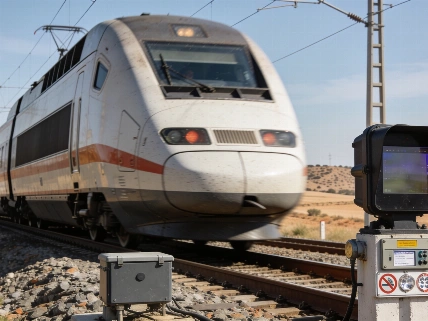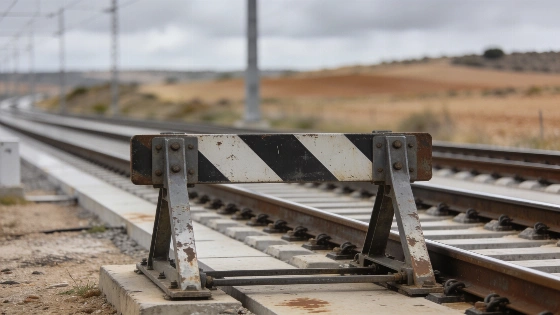
The Urda rail disaster killed 69 people and injured about 100, nine months after a separate crash at Adamuz claimed 46 lives. On 28 October, near Urda in Toledo province, about 130 kilometres south of Madrid, a Renfe AVE train carrying 397 passengers struck the rear of a stationary Iryo train carrying 147. The collision on the Madrid-Seville route involved 544 passengers in total. Renfe is state-owned and Iryo is a private Spanish operator. Afterward, Óscar Puente announced his resignation as transport minister and withdrew from the PSOE list for Valladolid, despite Pedro Sánchez's support for him.
Puente presented the decision as a matter of political dignity and concern for the victims. His departure removed a close Sánchez ally from the government less than four weeks before the 29 November general election. It also left the prime minister without the political buffer Puente had provided during the crisis.
The decision followed days of disagreement within the government and the PSOE over whether Puente should stay. He had offered his resignation to Sánchez on the Wednesday morning after the tragedy. His first instinct was to step down, but after speaking with his family and receiving the prime minister's backing, he stayed in office to explain the response and begin measures aimed at restoring confidence in high-speed rail and helping victims. Puente announced his resignation on 3 November during a four-hour hearing before the Permanent Commission of Spain’s Congress, six days after the crash. He said he had decided to leave within minutes of learning of the accident but stayed until the emergency response was under way and the first investigative and victim-support steps were in place, including compensation and rail-safety measures.
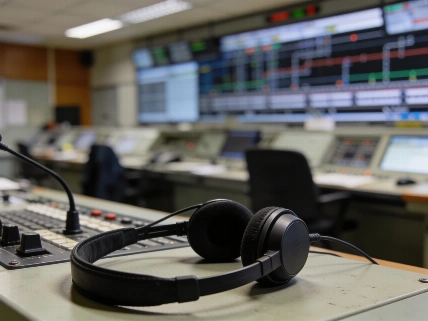
The two disasters occurred on the same Madrid-Seville corridor and involved Renfe and Iryo. The January 2026 Adamuz disaster in Córdoba province was a derailment; the Urda crash was a collision. During the response, Puente told lawmakers that an Adif control centre had allowed the Renfe AVE train to continue after its LZB automatic safety system failed. Adif is Spain’s state-owned rail infrastructure manager. That account concerned an operational protocol; it did not establish that Puente personally caused the crash.
Sánchez argued that leaving would imply responsibility for a disaster Puente's management had not caused. Some socialist figures disagreed, saying political responsibility rested with the person in charge, regardless of direct technical responsibility. Opposition lawmakers and rail workers’ unions had called for Puente’s dismissal after he attributed the disaster to an alleged protocol breach by control-centre operators. Calls for a gesture grew as the deaths in Urda brought renewed scrutiny after Adamuz. On 30 October, Puente said his immediate duty was to solve the problem, determine what had happened and provide clear explanations.
Puente's withdrawal also gave the PSOE a way to argue that its politicians could accept political responsibility without admitting direct culpability. He withdrew both from the ministry and as the Socialist Party’s lead candidate for Valladolid. Sánchez praised the decision publicly and said Puente had faced the emergency before choosing to leave. When the resignation was announced, it still had to be published in Spain’s Official State Gazette, the BOE, to take legal effect. Until publication, Puente remained minister.