At I.E.S. Ribera del Tajo, two years of higher vocational study can lead to a three-year university degree. Queen Letizia visited the Talavera de la Reina institute to see how the route works. Casa Real designated the event as the national opening of Spain's 2026/2027 Formación Profesional year.
The visit brought the Queen into direct contact with students, teachers, companies, hospitals and the university sector. The institute's 2+3 model is unique in Spain, linking higher vocational studies with a shorter university route.
Students who complete two years of higher-level administrative management training can move into Business Administration and Management at university. They can complete that degree in three years instead of four. Regional authorities say the arrangement depends on subject recognition between the two stages.
Spain's vocational training system has 1,248,046 students, 3.1% more than a year earlier, information from EFE. The Talavera visit came as Formación Profesional expands nationally.
That growth drew particular interest from the Queen.
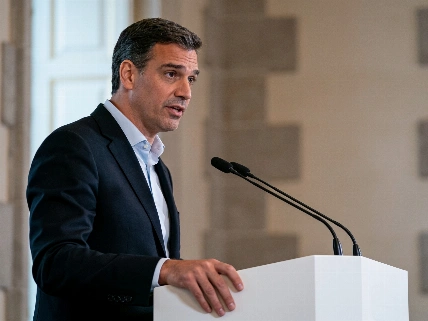
Amador Pastor, the regional councillor for Education, Culture and Sports, said the system recognises the preparation provided by Formación Profesional and creates a direct route into university education.
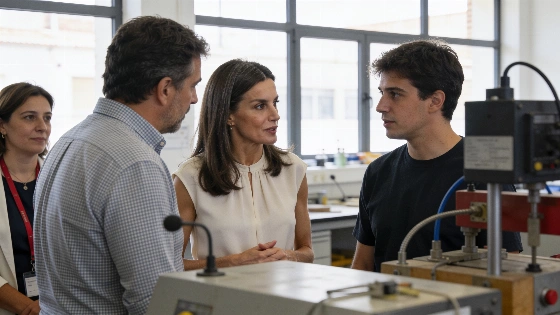
Castilla-La Mancha is developing the approach as a regional reference. Letizia saw the model on a tour of the institute's classrooms.
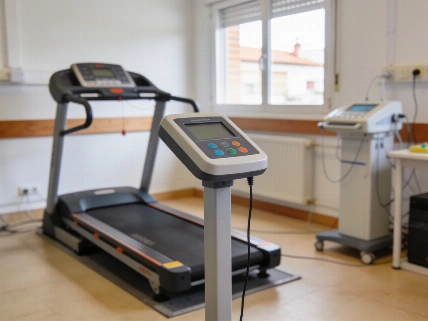
The I.E.S. Ribera del Tajo is one of five Centres of Excellence in Castilla-La Mancha. Its vocational offer covers three professional families: information technology and communications, health, and administration and management. The institute is also linked to Spain's State Network of Centres of Excellence in artificial intelligence and Big Data, Telemadrid reported. That connection places the Talavera programme within a broader effort to align vocational education with innovation and changing labour-market needs.
During the visit, the Queen saw one classroom from each area and spoke with several students, hearing directly about the training on offer.
The institute also showed how its training connects with the local economy. Manuel De Castro, the centre's director, said the meeting brought together the educational community, companies, the university and hospitals involved in student placements.
He said the discussion covered the state of vocational training, the institute's role and its links with Talavera de la Reina and the surrounding area. De Castro said the Queen took an active part in the exchange.
Regional figures help explain the growing focus on the issue. Castilla-La Mancha now has 1009 vocational training cycles, with 241 added in recent years.
Pastor said that growth has practical value only when it connects with jobs and the profiles companies need now and in the future. That is the test.
His argument puts employers at the centre of the system, positioning vocational education as more than a separate academic track.
The regional government says national, international and local companies already draw on students trained through these programmes.
The ceremony also drew a public crowd. Queen Letizia greeted hundreds of residents outside the institute on arrival.
She was accompanied by Emiliano García-Page, the president of Castilla-La Mancha; Milagro Tolón, the minister of Education, Vocational Training and Sports; and Amador Pastor. Casa Real and agency reports confirmed that García-Page and Tolón attended the national opening ceremony with the Queen.
The link between professional training and public services is direct at this centre. Its health programmes work with hospitals. The other courses are part of Talavera's productive network and that of its comarca.
A related report on workforce pressures in Valencia's public hospitals shows why those links matter beyond the classroom.
Talavera's visit was also a chance to see the region expanding its vocational network and testing a route from technical training into university.
Students can move forward without repeating recognised learning. The 2026/2027 opening carried a clear institutional message: Castilla-La Mancha is treating Formación Profesional as a route to employment and a credible first step toward higher education.
Regional coverage also described the visit as Letizia's second trip to Talavera in ten years, adding a local historical note to an event with national significance.