A train listed as a minimum service may still be unable to use the Madrid-Andalusia corridor because of Wednesday’s accident near Urda. The strike service plan was drawn up before the crash, and disruption linked to the damaged route could bring further changes.
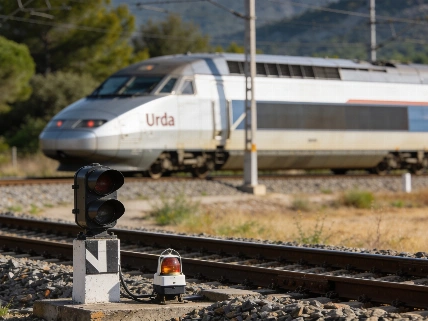
At approximately 08:53 on Wednesday, October 28, a Renfe AVE collided with a stopped Iryo train near Urda, Toledo, at about kilometre point 118 on the Madrid-Seville high-speed line. According to figures reported by Agencia EFE, the Renfe train carried 378 passengers and the Iryo train 147. The collision derailed cars from both trains, and Adif suspended circulation between Madrid, Ciudad Real and Andalucía.
The corridor closure is separate from the strike and can prevent services from running regardless of the minimum-service timetable. Renfe enabled ticket changes and cancellations for passengers affected by the closure. Transport Minister Óscar Puente’s preliminary reconstruction identified a communications failure that disabled the LZB train-control system across a 63-kilometre section. The formal investigation is examining the signalling outage and the control-centre decisions surrounding the collision.
The Sindicato Español de Maquinistas Ferroviarios (Semaf) called the 24-hour stoppage, which runs from 00:01 to 23:59 on Thursday, October 29. It affects Grupo Renfe services across the network, including AVE and Larga Distancia alongside Media Distancia and Cercanías.
The Ministry of Transport and Sustainable Mobility set minimum services at an average of 73% for Alta Velocidad and Larga Distancia. The minimum for Media Distancia is 65%. Freight services have a 26% minimum. Those percentages apply across the overall timetable; they do not confirm that a particular train will run.
For Cercanías, the minimum is 75% during peak periods and 50% for the rest of the day. Peak coverage runs from 6:00 to 9:00, then resumes from 13:30 to 15:30. It returns from 18:30 to 20:30. Rodalies de Cataluña has a separate plan, with 66% of services during peak hours and 33% at other times.
Passengers should check the exact train before leaving for the station, even if it appears to fall within the minimum-service timetable. Its train number and full journey details, including the date, time and stations of origin and destination, identify the specific service. Renfe advises reserved-seat passengers to check the email address used for the purchase and confirm reservation status through its official channels. Reduced frequency can also lengthen waits and complicate connections.
For Andalucía journeys, check notices from both Renfe and Adif. The ability to run through the affected section depends on the condition of the infrastructure and the reorganisation of services. Other operators using the corridor may also face disruption. A separate Adif audio report covered the control-room sequence around the Urda collision.
Semaf says it called the strike over stalled commitments on rail safety and rolling-stock reliability. Its demands include binding protocols for weather alerts. It also wants clear rules for coordinating communications when a risk is detected on the track. The union seeks implementation of agreements on new driver recruitment and interruptions to driving time. It also wants support for professionals affected by a person being struck by a train, along with progress on lower retirement-age coefficients.
Renfe rejects the reasons for the stoppage and says it has met its obligations under the agreement reached in February. The company argues that some demands fall outside its remit and concern decisions by other bodies.
The strike covers Grupo Renfe. Ouigo has separate stoppages scheduled for October 30 and November 2. Passengers should check its dates and minimum services separately.