At around 1:00 a.m., SEMAF told Rodalies it could not guarantee that drivers would report for the morning service. Without a normal timetable, the operator suspended all Rodalies services in Catalonia.
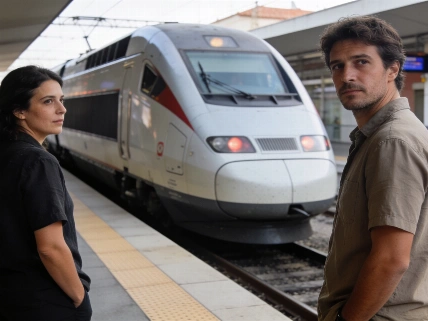
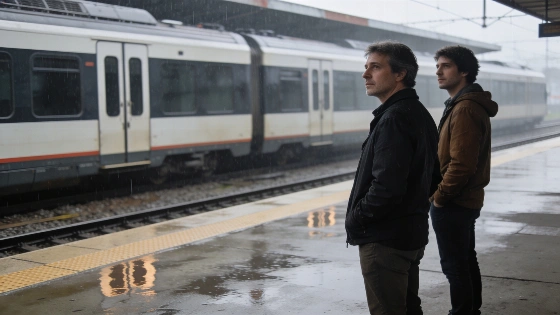
Passengers at stations such as Sants have no reliable departure schedule or clear restart time. Buses and other road services are available, but cannot carry the entire rail network.
The dispute centres on the technical documents drivers want before returning to the tracks. Renfe and Adif say the required safety conditions are in place. The Ministry backs that position, as does the Sindicato Español de Maquinistas Ferroviarios, or SEMAF.
Drivers disagree. Before the stoppage, a tree and part of an embankment fell onto a train near Vilafranca del Penedès. Nobody was injured, but the incident strengthened drivers’ demand for additional guarantees before passenger services resumed. ARA reported the incident.
The result is a complete freeze as travellers try to resume normal journeys after four days of intense bad weather.
Rodalies announced the suspension on X and posted a notice on station screens. Ticket machines at Sants also suffered interruptions, compounding problems for passengers waiting for information.
The company recommended other forms of transport and made a justification document available to people affected by the disruption.
Óscar Playà, director of Rodalies, said the scheduled service could not be guaranteed. The operator added replacement buses and other road connections, but they do not cover every route. Travellers face delayed alternatives or journeys with no confirmed timing.
El Mundo reported that the decision came at around 1:00 a.m., when SEMAF told Rodalies it could not guarantee that drivers would report for the morning service. The R1 line was initially expected to remain without trains. Other routes might have returned gradually, but normal service across the network was not guaranteed.
A separate restriction remains in place between Tres Camins and Salou-Port Aventura after an incident involving a person. The closure is not directly linked to the drivers’ refusal to circulate and further limits travel options in the Tarragona area.
Rodalies says the infrastructure is suitable for train operations, a position shared by Renfe and Adif. Playà described the dispute as a labour conflict and said trains had run safely the previous day.
SEMAF says the agreed inspections and complete overnight technical reports were not provided. The disagreement centres on those documents; this is not a planned strike with a published timetable.
The dispute follows several days of transport problems caused by severe weather in Catalonia. An earlier weather report described road closures and emergency rescues in Tarragona after four days of storms. That is the immediate backdrop to the current safety dispute.
Passengers have been directed to public-transport alternatives, including buses and FGC. The metro is another option, alongside other services. Democrata reported that these options can help some displaced travellers, but lack the capacity to replace the Rodalies network during peak demand. Road alternatives remain limited.
The basic question is who can certify a safe return to service. Renfe and Adif have issued their assessment, while drivers want the technical reports they consider impressive.
Until the dispute is settled, replacement road services remain the only organised option. They cannot match the capacity of the full rail network.
Passengers are advised to check road alternatives and allow extra time. Anyone affected by the disruption can request the justification document. Rail traffic remains suspended, Rodalies has no guaranteed timetable, and the operator is working to restore service amid weather damage and the safety dispute.