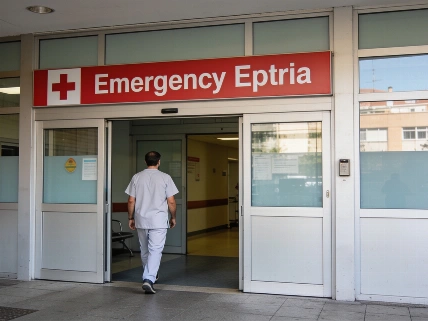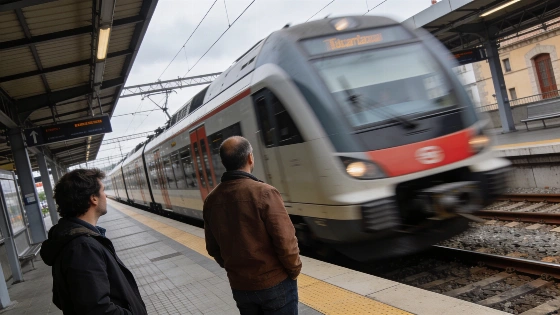
The cleared routes include the R1, R2, R3, R4, R7, R8 and R11, along with several regional services. Semaf validated the safety reports drivers required, while some sections remain closed pending further checks for storm damage.
Semaf confirmed the decision to ACN after reviewing the documents for the lines cleared to operate. The reports cover the R1 between Hospitalet and Maçanet, the R2 norte between Sant Andreu and Granollers, the R2 sur between Sant Vicenç and Barcelona, and the R4 between Sant Vicenç de Calders and Sabadell.
The disruption followed heavy rain that brought down a tree and triggered a landslide on Rodalies infrastructure. On Tuesday, passengers had to be evacuated from a train near Vilanova i la Geltrú, El Nacional reported.
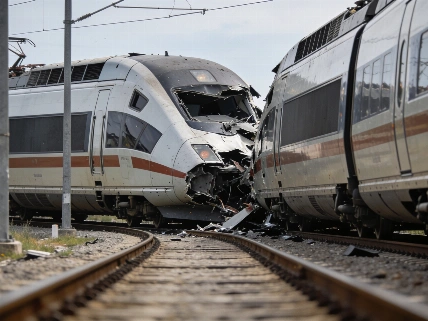
This went beyond a routine paperwork check. Drivers had made the safety review a condition for restarting services under protocols agreed after the railway accidents at Gelida and Adamuz.
Those protocols require empty test runs without passengers before some services reopen. In January, a trainee driver died after severe weather during the accident at Gelida, making drivers particularly cautious. Renfe and Adif had already said trains could run safely on the network, but drivers still wanted written confirmation before the affected services resumed.
The first approved operational verification also covers the R3 between la Garriga and the French border. It includes the R7 between Montcada and Cerdanyola Universitat and the R8 between Castellbisbal and Granollers. The R11 between Portbou and Maçanet is covered too.
Regional trains are also cleared to run. The approved routes include the R13 and R14 between la Plana and Sant Vicenç de Calders, the R15 and R16 between Reus and Tarragona, the R17 between Tarragona and Sant Vicenç, as well as the RT1 and RT2.
La Vanguardia reported that Semaf has also invoked Spain’s Royal Decree-Law 8/2024, which provides for informing the works council when serious safety risks arise. On routes that remain unavailable, replacement buses continue to carry passengers while further checks are under way.
The list also makes clear what has not reopened. Trade union sources say new reports are still pending for the R2 norte and R4 norte sections affected by the storm. Each route needs a separate operational assessment before it can be cleared for service.
The wider disruption began with storm damage across the railway network: a tree fell, and a landslide hit Rodalies infrastructure. That damage added to an existing dispute over whether verbal assurances from Renfe and Adif were enough. Drivers wanted written confirmation for every affected section.
El País reported that the operators considered empty verification trains part of the safety process before circulation resumes. The process remains disputed.
For passengers, the change means a gradual reopening, not a full return across Rodalies. Trains can run on corridors covered by the verified report. Services on the remaining storm-damaged sections still depend on further documents and checks, while replacement buses continue to run on unavailable routes.
The Catalan government has called the situation unacceptable. Territorial Policy Minister Sílvia Paneque said the dispute was not caused by an infrastructure failure or the network’s modernization. She said the deadlock concerned how safety is confirmed within a certification system overseen by the railway safety agency.
Safety verification now controls the timetable. Renfe and Adif have said circulation is safe, and Semaf has endorsed the reports for the listed routes. The unresolved sections still need another review.
The recovery is partial: approved lines can run again, but excluded corridors cannot reopen until their own reports are applied. Reporting by Democrata indicates that restoration is proceeding in stages, rather than reopening the entire Rodalies network at once.