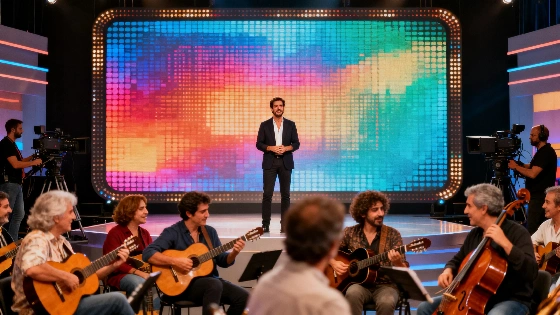
La 1 launches a music special instead of Eurovision after refusing to broadcast. In 2026, La 1 will not air Eurovision due to Israel's participation. Instead, the channel will present a special edition of La casa de la música featuring well-known artists. RTVE aims to retain audience interest.
For the first time in decades, the Spanish TV channel La 1 will not broadcast the Eurovision final. The reason is RTVE's refusal to participate in the contest due to Israel's presence among the participants. Instead, the channel has prepared its own musical special—the second edition of the show La casa de la música, which will air on May 16 at 22:00, one hour after Eurovision begins.
That evening, viewers will enjoy a two-and-a-half-hour broadcast featuring 23 performances from artists of different generations. Among the guests are both veteran performers and new names, many already associated with RTVE or who gained fame thanks to the Operación Triunfo project. Some numbers were recorded in the Prado del Rey studio, others at iconic venues known for historic concerts. The first edition of the show, aired on New Year's, attracted nearly 4 million viewers and a 33.4% share.
Among the participants in the second edition are Raphael, who represented Spain at Eurovision in 1966 and 1967 and is considered the artist with the most performances on TVE. The lineup also includes Abraham Mateo, Manuel Carrasco, Ana Belén, Mikel Erentxun, Mónica Naranjo, Pablo López, Vanesa Martín, José Mercé, Fangoria, Camela, and others. The younger generation will be represented by Metrika, Ultraligera, Natalia Lacunza, Juanjo Bona, Nil Moliner, Alba Morena, the duo La Plazuela, Guitarricadelafuente, Siloé, Samuray Jay ft. Naiara, as well as the Argentine band Miranda!, who performed at the last Benidorm Fest. The winners of that contest—Chanel and Tony Grox & LUCYCALYS—will also appear in the broadcast.
RTVE emphasizes that La casa de la música is not a one-off event but a long-term initiative. In the future, the project will include new programs, documentaries, and monographic editions dedicated to the role of music on Spanish television.
RTVE's withdrawal from Eurovision means not only the end of the broadcast, but also the loss of the rights to promote the contest in Spain. Now the final will only be available on the official YouTube channel. In other non-participating countries, different approaches have been taken: Slovenian television will devote a week to programming about Palestine, Ireland will replace the contest with a parody episode of the series Father Ted, while the Netherlands and Iceland will keep the broadcast, but not on public channels.
For La 1, the task is not easy: Eurovision traditionally drew record audiences — in 2025, nearly 5.9 million people watched the final, with a share of 50.1%. Now the channel hopes to retain viewer interest thanks to its own music format. In Spain, the topic of major TV broadcasts and their impact on audiences remains relevant; recently, changes to the scheduling of sports matches sparked discussion when ATP tennis tournaments limited night matches after athletes complained.
Eurovision is one of Europe's most recognizable music contests, and its absence from Spanish television in 2026 will mark a notable change for viewers. RTVE is focusing on its own formats to maintain its position in the evening lineup and highlight public television’s contribution to the country's musical culture.