SAIC Motor plans to build its first European electric vehicle plant in Galicia, near critical military sites. The project promises jobs and investment, but its proximity to defense infrastructure has triggered concerns in Spain.
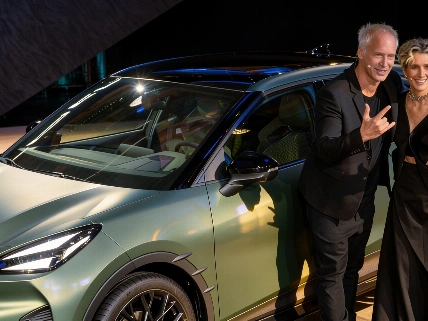
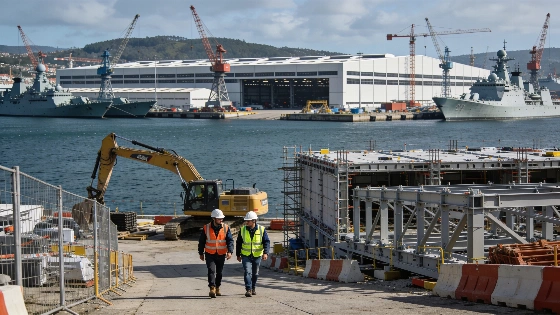
SAIC Motor, the Chinese automotive giant behind MG and Maxus, has chosen Galicia as the site for its first electric vehicle factory in Europe—a decision that has quickly become a flashpoint in Spain’s industrial and political landscape. The plant, announced on June 1, is set for the Ferrolterra region, just kilometers from the Ferrol naval arsenal and Navantia shipyards, both considered vital to Spain’s national security.
The Ministry of Defense has raised concerns about the factory’s proximity to these sensitive military facilities. While the government has signaled its support for the project, Digital Transformation Minister Óscar López stated that Spain would not block the investment on national security grounds, though he left open the possibility of imposing conditions to safeguard critical interests.
Alfonso Rueda, president of the Xunta de Galicia, described Defense’s reservations as “striking,” insisting that the region’s security and economic opportunity can be balanced. The Xunta has called for clear guarantees that the project will not compromise military operations, while emphasizing the historic chance for Galicia to attract high-value industry.
SAIC Motor, which is ultimately controlled by Beijing, has pledged nearly €200 million to launch production by late 2028, targeting an annual output of 120,000 vehicles. The investment is expected to create up to 2,300 jobs across Europe, with 1,000 direct positions in Ferrol, another 1,000 indirect, and 300 in As Pontes. The project will span three sites: manufacturing and logistics at Ferrol’s outer port, auxiliary industries in Mandiá, and a logistics hub in As Pontes.
However, SAIC Motor’s reputation in Europe is complicated. The company was hit with the EU’s steepest tariffs on electric vehicle imports—an additional 35.3% on top of the standard 10%—after the European Commission found it had failed to fully cooperate with transparency requirements on costs, finances, and supply chains. According to elespanol motor, this lack of openness has made SAIC a focal point for regulatory scrutiny.
Despite these hurdles, SAIC Motor sold 127,585 vehicles in the EU in the first half of the year, up 19.1% from the previous year. Of these, about 12% were fully electric models, though sales of electric and plug-in hybrids dipped slightly compared to the same period in 2025. The company has shifted its European focus toward self-charging hybrids, which now account for 62% of its regional sales.
Environmental compliance is another challenge. SAIC Motor is among five automakers at risk of EU penalties for exceeding the 95 grams per kilometer CO2 emissions cap set for 2025–2027, with current average emissions at 98 grams. This regulatory pressure adds to the complexity of the company’s European expansion.
Spain has become a key entry point for Chinese automotive groups seeking to avoid tariffs and benefit from ‘Made in Europe’ rules. Alongside SAIC Motor, brands like Chery, Santana Factory, Geely, and Leapmotor have launched operations in the country. However, none have chosen sites as close to critical defense infrastructure as SAIC’s Galicia project.
The debate over foreign investment and national security is not unique to Spain. Across Europe, governments are weighing the benefits of new jobs and technology against the risks of strategic vulnerability. The situation echoes broader questions about the future of the automotive industry, as seen in the rise of hybrid and electric solutions—such as the recent launch of electric trailer modules for diesel trucks—that are reshaping the sector’s landscape.
As the SAIC Motor project moves forward, its fate will likely depend on how effectively Spanish authorities can reconcile economic ambition with the imperatives of national security. The outcome could set a precedent for future foreign investments in sensitive regions across Europe.