A San Francisco-based company has developed an electric trailer that transforms existing diesel trucks into hybrids without modifying the engine. The system slashes fuel costs and emissions, offering a practical path for fleets to modernize.
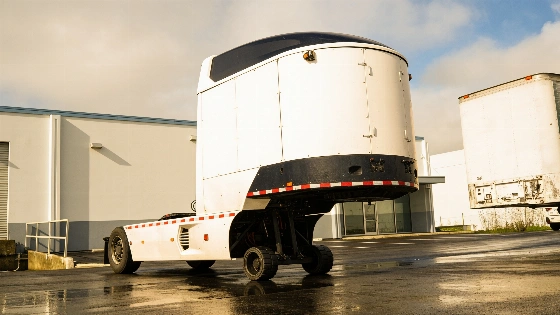
Revoy, a startup from San Francisco, has introduced a technology that could reshape the economics and environmental impact of heavy road transport. Instead of replacing entire fleets, logistics companies can now retrofit their existing diesel trucks with a self-powered electric trailer, instantly converting them into hybrids—no engine modifications required.
The core of Revoy’s solution is a 3.96-meter-long, 10-tonne electric module that fits between the tractor and the main trailer. Inside, a 575 kWh lithium-iron-phosphate battery powers an electric drive axle, providing significant propulsion support. When the driver accelerates, the system senses the demand and the electric motor takes on much of the load, reducing strain on the diesel engine. During braking, the motor switches to regenerative mode, recharging the battery and helping slow the vehicle.
What sets Revoy apart is the speed and flexibility of its system. The electric trailer is designed to be swapped out in under five minutes at dedicated stations, eliminating the long charging times that have hampered electric truck adoption. This approach not only extends the useful life of existing diesel trucks but also offers a cost-effective alternative to full electrification—a major concern for transport companies facing high vehicle prices and limited charging infrastructure.
Safety is a key focus. The trailer comes equipped with active systems to prevent rollovers, jackknifing, and loss of control, as well as features like blind spot detection and automated reverse assistance. With the module installed, a standard articulated truck with a maximum authorized weight of 36 tonnes can travel 320 to 400 kilometers on electric power alone—enough to cover most regional routes and dramatically cut fuel use.
According to Revoy, fuel consumption for a hybrid truck using this system can drop from the typical 30–40 liters per 100 km to as low as 6.7–11.8 liters, and even 5.9 liters on shorter trips under 240 km. Carbon emissions, meanwhile, can be reduced by up to 85%. The company estimates annual fuel savings of around €21,000 per truck, based on figures cited by FleetOwner.
Rather than selling the equipment outright, Revoy offers the electric trailer as a subscription service. The company received regulatory approval from the US National Highway Traffic Safety Administration in 2023 and completed a year-long pilot with Ryder System Inc. in 2024. Its first commercial rollout is set for 2026 in Oregon, where four trailers will operate on a 320-kilometer route near Portland, using second-hand diesel trucks and specially trained drivers.
The scale of the opportunity is significant. As Bloomberg notes, the US has roughly 3 million heavy trucks, each averaging nearly 100,000 kilometers per year. This sector is responsible for about 300 million tonnes of CO₂ annually—6.7% of the country’s total greenhouse gas emissions. Solutions like Revoy’s could help accelerate the shift to cleaner freight, especially as the industry looks for practical, affordable ways to cut its carbon footprint.
For those interested in how other manufacturers are challenging the electric vehicle status quo, a recent analysis of innovative approaches in the sector can be found in this feature on new electric car concepts.
While the technology is still in its early stages, Revoy’s model highlights a growing trend: instead of waiting for a full transition to electric trucks, the industry may find faster progress by upgrading what’s already on the road. If the Oregon pilot proves successful, similar systems could soon appear on highways across the US and beyond.