Saudi Arabia shot down a drone launched by Houthi forces toward Mecca, escalating the ongoing conflict in Yemen. Officials warn of growing risks to civilians and religious sites.
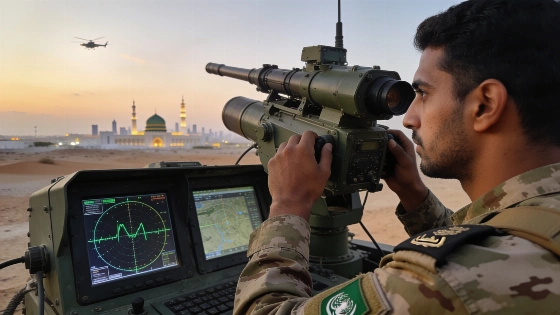
Saudi air defences intercepted and destroyed a drone launched from Yemen before it could enter Mecca's restricted airspace, according to the Saudi-led coalition. The attempted attack, blamed on Houthi militants, comes amid rising violence and has renewed concerns about the safety of one of Islam’s holiest cities.
Saudi military officials called the incident a direct threat to both citizens and the millions of pilgrims who visit Mecca each year. Coalition spokesperson Turki al Maliki condemned the attack, describing it as an attempt to spread fear among visitors and damage the Houthi movement’s reputation, calling it a terrorist act. He also referred to a previous Houthi attempt to target Mecca with ballistic missiles in 2017, underscoring the seriousness of the current escalation. According to Reuters and Anadolu Agency, the interception happened at about 18:50 local time on Tuesday, 15 September 2026, with drone debris falling south of Mecca.
The Organisation of Islamic Cooperation (OIC) strongly condemned the incident, saying attacks on Mecca and Medina are meant to terrorise civilians and desecrate sacred sites. The OIC called such actions violations of Islamic values and international law, and reaffirmed its support for Saudi Arabia’s right to defend its territory and people. As reported by TRT World and NST, the OIC stressed that these incidents threaten the safety of pilgrims and the sanctity of holy places.
Houthi representatives denied the accusations. Mohamed al Fara, a member of the political wing of Ansaralá, claimed the group protects Mecca’s holy sites more than those who, in his words, exploit them for political purposes. He pointed to the controversial transfer of ceremonial cloths from the Kaaba to Jeffrey Epstein’s private island, as reported by The New York Times, to criticise Saudi authorities. Al Fara accused Riyadh of using the threat to Mecca as a way to rally Muslim support, while failing to achieve its goals in Yemen. According to statements cited by Nampa and Mathrubhumi, Houthi officials also called for an end to Saudi military operations and the blockade on Yemen, arguing that claims of threats to holy sites are used for political leverage.
He further demanded an end to Saudi military action and the blockade on Yemen, and called for compensation for years of conflict and destruction. Al Fara warned that continued aggression would put Saudi security and vital oil infrastructure at risk, urging Saudi leaders to change course if they want stability.
Reuters, Times of Israel, Anadolu Agency
On the ground, renewed fighting has forced over 100,000 people to flee their homes along Yemen’s western coast as clashes between Houthi forces and the Saudi-backed Yemeni government intensify. The United States has raised its travel advisory for Saudi Arabia to level 3, advising reconsideration of travel, while keeping a level 4 warning against any travel to Yemen.
This latest incident shows the ongoing volatility in the region and the vulnerability of religious and civilian targets. The use of drones and ballistic missiles has increased the risk of collateral damage, drawing international attention to the humanitarian crisis. The Saudi-led coalition’s interception of the drone demonstrates both the reach and the limits of current defence systems. As the conflict continues, rhetoric from both sides has grown sharper, but civilians remain most affected by the fighting and political maneuvering. The targeting of Mecca, even if unsuccessful, signals a willingness by the Houthis to escalate symbolic attacks, while Saudi Arabia’s response highlights its determination to defend religious sites. The cycle of accusation and retaliation continues, and the region’s stability remains uncertain as long as diplomatic solutions remain out of reach.