Jorge Rey warns of a sharp weather shift as September begins. His cabañuelas method points to rain, storms, and unstable conditions. Official forecasts remain cautious, but many are watching for signs of early autumn.
Spain’s stretch of steady summer weather is about to change. Jorge Rey, who uses the traditional cabañuelas method, expects the start of September to break the recent dry spell. He predicts rain, storms, and unsettled conditions—more like autumn than late summer.
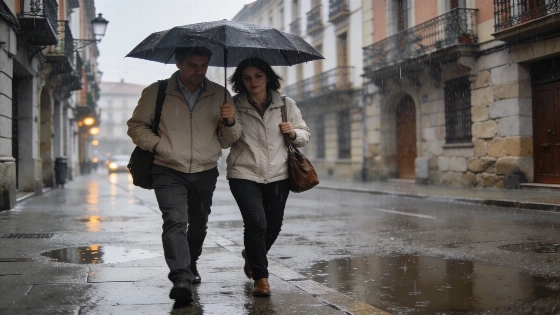
For people getting ready to return to work and school, Rey’s warning is more than just a curiosity. Sudden downpours and cooler days could mean swapping shorts for jackets and grabbing umbrellas earlier than planned. The cabañuelas, based on close observation of nature, have long been part of rural Spanish weather tradition. Rey’s growing audience has brought this folk forecasting into national conversation.
On September 2, AEMET issued yellow warnings for parts of Andalusia due to expected temperatures up to 40°C, hail, and strong storms.
Spain’s official meteorological agency, AEMET, is not raising alarms yet. Their current forecast still points to generally stable weather for early September, though they mention the chance of isolated showers and storms in some regions. This careful approach matches their recent advisories, like the yellow alert for storms in Castellón, where warnings were only issued as conditions became urgent. For September 2, AEMET expects most of Spain to stay stable, with high temperatures in central and southern areas, not widespread rain.
Jorge Rey’s predictions, while not based on modern meteorology, continue to draw attention from those looking for early signs of seasonal change. His cabañuelas method, which relies on patterns in nature, stands apart from AEMET’s data-driven models. Still, many people are interested in alternative forecasts, especially when official sources offer only limited details about what’s ahead. On September 1, Spanish media noted that Rey’s cabañuelas forecast points to rain, storms, and more instability at the start of the month, but also stressed that this is a folk method, not a scientific one.
As September begins, the real question is whether Rey’s traditional approach will prove more accurate than the official forecasts. The push and pull between folk wisdom and institutional science is familiar in Spain’s weather culture, but the practical stakes remain: early warnings can mean the difference between a soaked commute and a smooth start to autumn. For now, people are watching the skies and the forecasts with fresh interest. The ongoing presence of cabañuelas in public discussion shows that, for many, trust in weather predictions is shaped as much by tradition as by technology. The coming weeks will reveal which approach better captures Spain’s unpredictable September weather.
At the start of September, there is a notable divergence between AEMET’s general scenario of prevailing stability and the localized storm warnings, underscoring the importance of focusing on regional rather than national trends. The most likely scenario is a mixed picture: some areas will remain hot and stable, while others may already see storms, hail, and brief heavy rainfall.