Spain is running out of new homes and locally made products as construction slows and factories remain empty. While regulations multiply, the country’s ability to produce what it needs is slipping further behind.
Walk through Spain’s cities and you’ll see the problem. The country is short 750,000 homes right now. That’s not a guess. Banco de España says it’s the real number. For many families, a new home is out of reach. Demand is strong, but the country just isn’t building. Soledad Núñez, deputy head at Banco de España, warned the gap could top 1 million homes by 2028 if nothing changes. Reuters and other agencies have reported on this growing crisis.
The shortage goes beyond housing. Spain has lost ground in making things—from microchips to electric cars. The country barely assembles, let alone manufactures, the high-tech parts its industries need. When the global chip shortage hit a few years ago, Spanish car plants stopped. Shipments from China never came. The lesson was clear. Build at home or get left behind. But the answer from many was simple: “Preferiría no hacerlo.”
Earlier this year, the Bank of Spain estimated the housing shortfall at around 550,000 homes, highlighting how rapidly the situation has worsened in recent months.
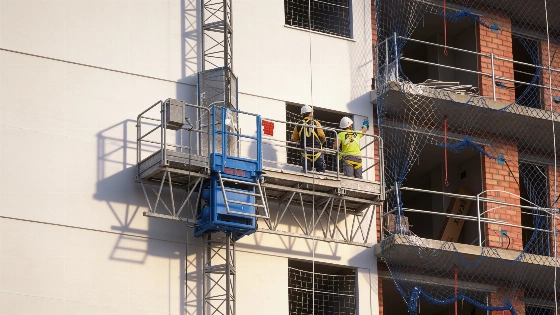
Instead of pouring concrete or opening new factories, Spain has turned to paperwork. New rules come faster than new buildings. It’s easier to write a decree than to raise a crane. The skyline, once filled with construction, now looks quiet. Other countries are still building. Here, long-term planning has faded. Quick fixes on paper have taken over. Official data, cited by international media, shows Spain is building only about 120,000 new homes a year. That’s nowhere near enough to close the gap.
Building itself is now suspect. High-rise housing is called outdated. Calls for new development meet resistance. The 2007 crisis left scars. Talking about more construction is now political poison. Instead of growing supply, the focus is on slicing up what’s left. It’s like splitting bread instead of baking more. Banco de España points out the real problem: not just high prices, but a true shortage. Demographic shifts and migration push demand up. Supply stays stuck.
The rules keep piling up. Retirees don’t watch construction anymore. They argue about housing decrees. The albañil, once a fixture of Spanish life, is fading away. No country can thrive by banning instead of building. You can’t share a cake that was never baked.
The latest wave of the housing crisis has already sparked mass protests across Spain: in late September 2026, major demonstrations against rising housing costs and evictions took place in Madrid and other cities, as confirmed by Reuters, DW, and CNN.
Trying to legislate supply hasn’t worked. Banning gasoline cars doesn’t make electric ones appear. Press conferences don’t build apartments. Electric car parts don’t fall from the sky. Homes don’t multiply by decree. The sector’s real capacity is ignored. It’s as if rules could replace investment and work. They can’t.
This reluctance to build isn’t just about homes. Spain’s grid for renewable energy is stuck too. A recent report on wasted clean electricity shows the same pattern. Without the will to build, good intentions stay on paper. Nothing moves.
It’s been nearly twenty years since the housing bubble burst. Spain has gone from overbuilding to doing almost nothing. Fear of past mistakes has frozen action. Skills and know-how are slipping away. Homes, chips, cars—Spain risks losing the ability to make them. The crab carries its house. In Spain, if you weren’t born with one, you may never get one. At this pace, the country could forget how to build. Shelves stay empty. Regulations pile up.
This isn’t just about policy. It’s about where Spain is headed. The country can’t afford to be a place that prefers not to produce. Until Spain values making and building again, shortages will stay. Prosperity will remain just out of reach.