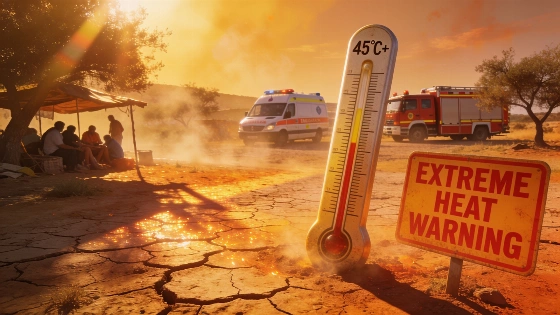
Spain is bracing for another severe heatwave next week. Meteorologist Luismi Pérez warns that surface temperatures could exceed 45°C. Authorities urge caution as the country prepares for extreme conditions.
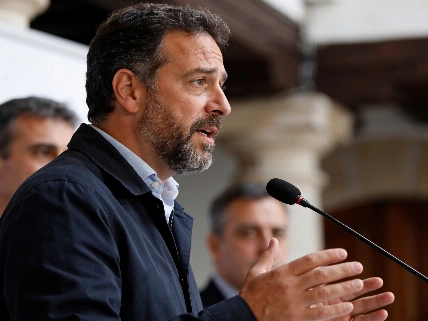
Spain is preparing for a new surge of extreme heat, with meteorologist Luismi Pérez warning that the next heatwave could push surface temperatures beyond 45°C in several regions. The current heatwave, already the second of the summer, has prompted the Agencia Estatal de Meteorología (Aemet) to advise residents—especially vulnerable groups—to avoid outdoor activities during peak hours. This phase is expected to ease by Thursday, July 9, offering only a brief respite before even more intense conditions arrive.
According to Luismi Pérez, the underlying cause of these escalating temperatures lies in the steady rise of isotermas—temperature markers at different altitudes—over the past three decades. Where 18 or 20°C at 1,500 meters once signaled a heatwave, current readings of 24 or 25°C at the same altitude now translate into much higher surface temperatures. This shift means that what was once considered an extreme event is becoming increasingly common, with the risk of surface highs climbing well above previous records.
Heatwaves are now classified by their severity, with isotermas of 20°C typically resulting in surface temperatures of 35–37°C. When isotermas reach 25°C, surface highs can soar to between 38 and 43°C. The most alarming development, Pérez notes, is the appearance of 30°C isotermas—previously confined to the heart of the Sahara—now stretching almost to southern France. Forecasts for next week indicate that these 30°C isotermas could bring unprecedented heat to Spain, with maximum temperatures likely to surpass 45°C in some areas.
Authorities are closely monitoring the situation and reiterate the importance of following official guidance to minimize health risks. The pattern of increasingly severe heatwaves is not unique to Spain; similar challenges have been observed across Europe, as highlighted during recent events in Navarra where emergency services played a central role in managing high temperatures at public gatherings. For example, the start of San Fermín 2026 in Pamplona was marked by heightened heat alerts and a strong presence of emergency personnel, as detailed in this report on public safety measures during extreme weather.
In recent years, Spain has experienced a notable increase in both the frequency and intensity of heatwaves, a trend that experts attribute to broader climatic changes. The rising baseline of isotermas means that each new episode brings higher risks for public health, agriculture, and infrastructure. The upcoming heatwave is expected to test the resilience of local communities and emergency services once again. Residents are urged to stay informed through official channels and to take all recommended precautions as the country faces another period of potentially record-breaking heat.