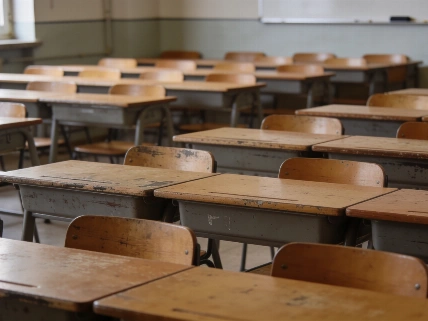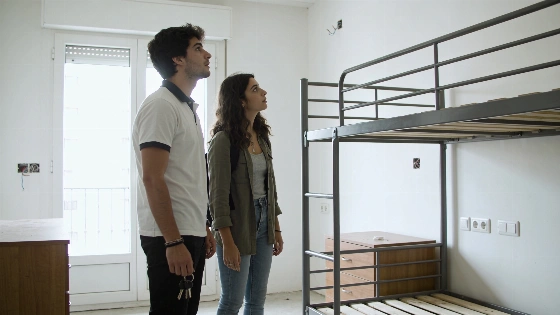
Spain's government is investing 45 million euros in student housing to address the shortage and high rents that have kept many students and researchers out of university cities. Announced on August 31, 2026, the plan will fund 1,525 affordable university residences across six autonomous communities. Rents will be capped and must cover household utilities such as electricity and water, along with wifi.
The largest allocation goes to the Universidad Autónoma de Madrid, which will receive 13.36 million euros, almost a third of the total. Universidad de Castilla-La Mancha in Albacete will receive 8.2 million euros, while Universidad Pablo de Olavide in Sevilla is allocated 6.5 million euros. Universidad de Burgos will get 5.94 million euros, and Universitat Jaume I in Castelló is set to receive 4.45 million euros. Universidad de Jaén and the Ayuntamiento de Lleida are each allocated 2.97 million euros. Each project will create or renovate student residences, with rents required to stay within set limits and cover basic utilities.
The Ministry of Housing launched a public consultation on the royal decree to formalize these subsidies on August 31, 2026.
For students and academic staff, the plan promises more beds at lower cost, without extra fees. But basic details remain unknown, from rent levels and eligibility to application procedures and opening dates. The Ministry of Vivienda y Agenda Urbana has not yet published the final rules, leaving future residents waiting for information that will determine whether the new homes ease the rental crisis.
The funding stems from an agreement signed in October 2024 by the ministries of Housing, Science and Economy to address the lack of affordable student housing. The initiative is part of the State Housing Plan 2026-2030 and uses public or institutional land to maximize the investment. Instead of issuing individual grants, the government is sending money directly to universities and local authorities with projects ready to move forward.
The seven published allocations add up to about 590,000 euros less than the announced 45 million, and no explanation for the difference has been provided. The gap stands out given the size of the investment and the urgent need for affordable housing in university cities.
The program is designed to relieve pressure on rental markets in university cities by increasing the supply of affordable accommodation for students, with teachers and researchers also among those it aims to support. It is part of a broader strategy linked to the State Housing Plan 2026-2030 and has the backing of the Conference of Rectors of Spanish Universities (CRUE), which has publicly endorsed the initiative as a step toward expanding access to higher education.
CRUE, which represents Spain's public universities, has welcomed the funding as a necessary step toward making higher education more accessible. The group says the current supply of public student housing falls far short of demand, while high rents continue to limit mobility and opportunities for students from less privileged backgrounds. CRUE has secured a government commitment to extend the program in 2027, potentially allowing more universities to join, although details and funding for future phases have not been set.
For a look at other public sector opportunities, a recent report on new administrative job openings in Leganés shows the government's efforts to improve access and affordability in other areas as well.
Spain's move to cap student housing costs and add beds follows years of pressure from students and their families, as well as university leaders. Setting maximum rents that include basic services is unusual in a market dominated by private landlords and rising prices. Without clear information on rents, eligibility and opening dates, the initiative's impact remains uncertain. The Ministry has yet to release the full details and rules.