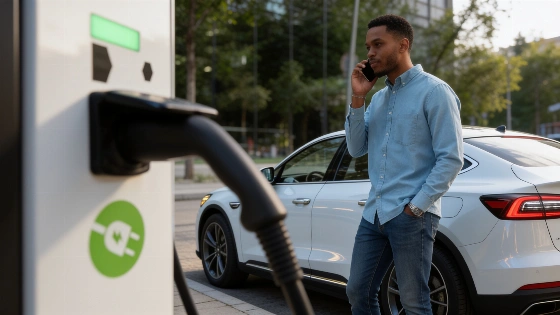
Electric cars now account for 20% of new registrations in Spain, with reliability matching combustion models. OCU’s latest survey highlights which brands have the fewest breakdowns and how battery life is exceeding expectations.
Electric vehicles are no longer a niche choice in Spain. According to the latest analysis by the Organización de Consumidores y Usuarios (OCU), fully electric cars now represent two out of every ten new registrations—a milestone driven by more affordable models, government incentives, and growing consumer confidence in reliability.
OCU’s survey, which gathered responses from 3,810 electric car owners across ten European countries, found that reliability is now a decisive factor for buyers moving away from petrol and diesel. While price and brand reputation still matter, the data shows that electric vehicles are holding their own against traditional cars when it comes to breakdowns and maintenance.
In the reliability rankings, BMW and Smart stand out with a score of 91 out of 100, making them the least likely to suffer faults—and when issues do occur, they tend to be minor. Tesla, BYD, and Dacia follow closely with 89 points, while Kia, Nissan, Renault, and MG each score 87. Notably, Tesla tops the satisfaction ratings among owners, ahead of BMW and Polestar, even though Mercedes-Benz, despite high satisfaction, lags slightly in reliability.
Beyond environmental benefits, the economic case for electric cars is becoming clearer. OCU calculates that a typical electric vehicle consuming 18 kWh per 100 kilometers and charged at home can cover 100,000 kilometers for around €2,700 in electricity. In contrast, a comparable petrol car would require about €12,000 in fuel for the same distance. Maintenance costs are also lower: annual servicing for an electric car averages €140, compared to €250 for petrol or diesel models, thanks to simpler mechanics and fewer parts subject to wear.
However, insurance remains a sticking point. OCU notes that comprehensive insurance for electric cars is, on average, 36% more expensive than for petrol models, with significant variation between insurers and models. While the purchase price of electric vehicles is still slightly higher, recent government subsidies under the Plan Auto+ have helped close the gap for many buyers.
Battery longevity is another area where perceptions are shifting. Although most manufacturers guarantee batteries for eight years or 160,000 kilometers, OCU highlights that real-world data shows batteries can last well beyond 300,000 kilometers if used properly and rapid charging is not overused. To maximize battery life, experts recommend keeping the charge between 20% and 80% and avoiding both full charges and deep discharges. Efficient driving habits also help extend range and reduce wear.
Spain’s electric vehicle market is maturing rapidly, with reliability and cost of ownership now on par with, or even better than, combustion models. For those considering a switch, OCU advises comparing financing offers—starting with banks—and carefully reviewing contracts for any potentially unfair clauses, which have been found in some dealership agreements.
As the landscape evolves, Spain is not alone in its transition. The influence of global players is growing, as seen in the rise of Chinese battery manufacturers and brands like BYD. For a broader perspective on how Chinese companies are reshaping the electric vehicle industry worldwide, see this analysis of China’s expanding dominance in EV batteries.
In summary, the latest data suggests that electric cars in Spain are no longer a risky bet. With leading brands delivering strong reliability, lower running costs, and batteries that outlast expectations, the case for going electric is stronger than ever—provided buyers pay close attention to the fine print.