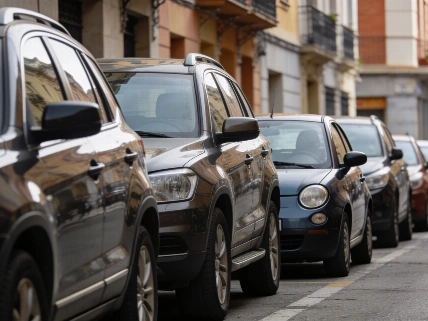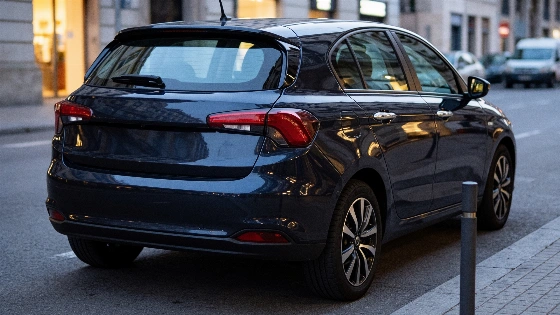
Since 2018, taxis and VTCs in Spain have been required to display a blue rear license plate. This visual marker, pushed by the taxi sector, aims to curb illegal operators and clarify who is authorized to transport passengers.
Look for a blue license plate on the back of a car in Spain. That color means something. Since August 2018, every legal taxi and VTC (vehicle de alquiler con conductor) must show a blue plate at the rear. This sets them apart from the usual white-plated cars on Spanish streets.
The change started with the taxi sector. Drivers wanted a way to fight unlicensed and pirate vehicles. As ride-hailing apps like Uber and Cabify grew, the need for a clear, visible difference became urgent. The blue plate is now standard for all taxis and VTCs with up to nine seats. This came from a ministerial order that changed the Reglamento General de Vehículos. Still, according to available search results, there is no official confirmation from the BOE (Boletín Oficial del Estado) or the DGT (Dirección General de Tráfico) about the exact rules, dates, or scope. Most details come from commercial blogs or news sites, not from the legal text itself.
Some search results mention blue license plates in Monaco, but these refer to temporary transit plates and are unrelated to the Spanish taxi and VTC regulation.
The blue plate only goes on the back. The front plate stays white with black letters, keeping the car's original registration number. So, the car's identity does not change. But now, anyone can see if a vehicle is licensed to carry passengers. No need to check papers at the roadside.
The rollout was staged. Cars registered after August 1, 2018, had to switch right away. Older taxis and VTCs got a year to update their plates. During that time, they could keep working as long as they were changing over. This rule covered all vehicles in the category, whether they worked alone or through an app. However, these details about the transition and the rule's reach are not directly confirmed by official government sources. Anyone needing certainty should check the Reglamento General de Vehículos and ministerial orders in the BOE.
Spain is not the only country using this system. The Netherlands, Belgium, and Greece also use blue plates for licensed passenger vehicles. The idea is simple. Color is faster than paperwork, especially in busy cities where police have little time.
According to the current research context, most online sources discussing blue license plates for taxis and VTCs in Spain are commercial blogs or news articles without direct reference to official legal acts. For full legal certainty, the official BOE publication and DGT clarifications should be consulted.
For drivers and passengers, the blue plate is now a sign of legitimacy. It tells customers their ride is licensed and insured. It gives police a quick way to spot illegal cars. This measure fits with wider European moves to modernize and control urban transport, as seen in the cross-border driverless car testing reported earlier.
One thing is clear. A simple color change works. In a sector full of paperwork and arguments over rules, Spain made legality visible. Passengers and police can now tell who is following the law. The taxi industry pushed for this. It is a practical shift—less paperwork, more clarity, and a direct answer to the new challenges in city transport.