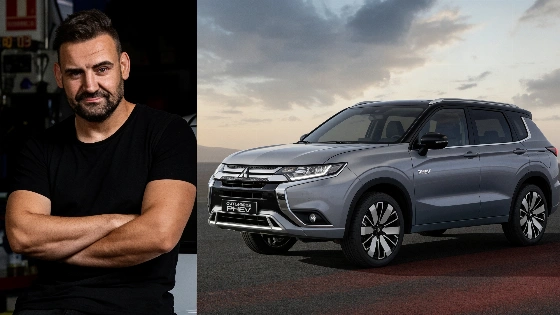
Javier Sendín, Spain’s best mechanic, says Japanese plug-in hybrids are the safest bet for buyers who can’t avoid a new car. He warns that today’s models are expensive to own and fix, so buyers need to choose carefully.
Javier Sendín, just named Spain’s best mechanic, doesn’t sugarcoat his view of the new car market. When asked what he would buy now, he’s blunt: “Honestly, I don’t feel like buying any new car right now.” Still, for people who have no choice, Sendín’s advice is simple—pick a Japanese plug-in hybrid.
He points to the tough reality behind the advice. New cars aren’t just pricey to buy. They’re expensive to keep running. “Current cars are much more expensive to keep on the road than those from a few years ago,” he says. Replacement parts now cost a fortune. A multimedia screen can run up to 10,000 euros. A single matrix headlight can cost 2,500 euros. Even a small front-end crash can mean the car is written off, because repairs cost more than the car is worth. Market data from top Spanish auto outlets shows repair and maintenance costs in Spain keep climbing through 2026. Spare parts and even small bodywork jobs are getting much more expensive.
In Spain, only plug-in hybrids with at least 40 km of electric range (WLTP) qualify for the coveted CERO environmental sticker, granting unrestricted access to low-emission zones.
Sendín admits modern cars are safer, more comfortable, and easier to drive, thanks to new safety and driver-assist systems. But he’s quick to point out that all this tech comes at a price. “All that technology means higher maintenance costs and, often, less reliability,” he says. For many, buying new isn’t about wanting the latest model. It’s about needing a car that meets city rules—especially where only ECO or CERO vehicles can drive. Spanish auto analysts say the difference between ECO and CERO labels matters more than ever in cities. CERO cars get more perks and face fewer limits in low-emission zones, while ECO is slowly losing its special status.
Why Japanese plug-in hybrids? Sendín says they offer the best mix. You can drive around town in full electric mode, with no emissions and low running costs. For longer trips, you have the backup of a petrol engine. “A plug-in hybrid lets you move around the city in 100% electric mode, with very low cost and no emissions. At the same time, you can travel long distances thanks to the combustion engine,” he says. The CERO sticker brings real benefits—access to restricted areas, tax breaks, and easier parking. Independent reports say the main reason to pick a plug-in hybrid for city driving is this mix of zero-emission short trips and the freedom of a petrol engine for longer drives.
For drivers who split time between city and highway, plug-in hybrids stand out. Some models now go over 90 kilometers on electric power alone. That’s enough to match a pure electric car for daily city use, but you still get the range of a petrol car for road trips. Together, these cars can cover more than 1,000 kilometers on a full charge and tank—far more than most electric-only models.
There is ongoing public debate in Spain about revising the DGT environmental sticker system, but as of 2026, no official date for changing the criteria has been confirmed. This uncertainty means buyers should pay close attention to current regulations when choosing a new car.
Sendín’s trust in Japanese brands is no accident. He openly prefers their engineering and reliability, especially now that cars are more complex and costly than ever. His view matches a bigger trend in Spain: Asian brands are gaining ground in the electric market, as European makers lose share. This shift was reported earlier. Still, independent sources and regulators say the push for Japanese plug-in hybrids is about their reputation for reliability and proven hybrid tech—not any official rule.
But Sendín’s first answer—he wouldn’t buy any new car if he could help it—says a lot. He stresses that the right choice depends on each person’s situation. For some, especially city dwellers facing strict emissions rules, a new car is a must. For others, the high costs and complexity of new models may not be worth it.
As Spain’s car market keeps changing, Sendín’s advice is straightforward: look at your needs, your budget, and how you get around before you decide. If you have to buy new, a Japanese plug-in hybrid gives you a rare mix of efficiency, flexibility, and access. But it still comes with its own costs and technical hurdles. With prices and expectations both rising, the smartest move is to ignore the hype and pick what really fits your life.